
corgi puppies for sale
Corgi Puppies: The Complete Guide to Food, Care, Toys, Training & Everything Your Puppy Needs
Corgi puppies are impossible to ignore. With their short legs, expressive faces, fluffy coats, and big personalities, they quickly become beloved members of the family. But behind those adorable ears is an intelligent, energetic dog that needs proper nutrition, training, exercise, grooming, socialization, and plenty of attention. corgi puppies for sale near me, pembroke welsh corgi puppies for sale, welsh corgi puppies for sale, cardigan welsh corgi puppies for sale, corgi puppy for sale, welsh corgi puppies for sale.
Whether you are preparing to bring home your first Corgi puppy or already have one exploring every corner of your house, understanding the breed’s needs will help you build a happier and healthier relationship.
Corgis are intelligent herding dogs. They tend to learn quickly, enjoy being involved with their families, and often have plenty of energy despite their relatively compact size. Their intelligence can be a wonderful advantage during training, but it also means they need mental stimulation and consistent boundaries.
This guide covers the essentials of raising a Corgi puppy, including food, treats, toys, grooming, exercise, training, socialization, health care, home preparation, and everyday safety.
Understanding Corgi Puppies
There are two recognized Corgi breeds: the Pembroke Welsh Corgi and the Cardigan Welsh Corgi. While they have differences in appearance and history, both are intelligent, active dogs that benefit from structured training and regular enrichment.
Corgis were developed as working dogs, and that background still influences their behavior today. A Corgi may enjoy chasing toys, learning tricks, carrying objects, solving food puzzles, and participating in games with its family.
They are also famously food-motivated. That can make training easier, but owners need to pay attention to portions and body condition. The American Kennel Club specifically notes that Corgis can be prone to obesity, making exercise and sensible feeding important parts of their long-term care.
The goal is not simply to keep a Corgi entertained. It is to give the puppy appropriate outlets for natural behaviors while teaching them how to live successfully in a human household.
Feeding Your Corgi Puppy
Nutrition is one of the most important parts of puppy care. A growing puppy needs a complete and balanced diet formulated for its stage of development.
Look for a reputable puppy food that is designed to provide appropriate levels of protein, fat, vitamins, minerals, and other nutrients. Your veterinarian can help you choose a diet based on your puppy’s age, size, activity level, growth pattern, and individual health needs.
How Much Should a Corgi Puppy Eat?
There is no single amount that is right for every Corgi puppy. Feeding recommendations depend on the puppy’s age, weight, food formulation, activity level, and growth.
Start with the feeding guidelines provided by the food manufacturer, then use your veterinarian’s recommendations and your puppy’s body condition to make adjustments. corgi puppy for sale.
Young puppies generally benefit from multiple meals throughout the day rather than one or two large meals. Dividing the daily food allowance into appropriate meals can also make it easier to use some of the puppy’s regular food during training.
Avoid constantly filling the bowl whenever it is empty. Corgis can be enthusiastic eaters, and unrestricted access to food may contribute to excessive weight gain.
Choosing Puppy Food
When comparing foods, consider:
- A formula appropriate for puppies
- Complete and balanced nutrition
- Quality ingredients
- Appropriate calorie density
- Feeding instructions for the puppy’s age and weight
- Your veterinarian’s recommendations
- Any allergies or digestive sensitivities your puppy may have
Commercially prepared foods can provide the balanced nutrition puppies need without requiring owners to formulate a diet themselves. The AKC notes that dogs need a range of nutrients and that complete commercial diets can make meeting those nutritional requirements easier.
If you are considering a homemade diet, speak with a veterinary nutrition professional rather than simply combining meat, vegetables, rice, or other ingredients. A homemade diet can become nutritionally incomplete if it is not properly formulated.
Healthy Treats for Corgi Puppies
Treats can be extremely useful during puppy training, but they should not replace a balanced diet.
Small treats can reward behaviors such as:
- Sitting
- Coming when called
- Going into the crate
- Walking calmly
- Dropping an object
- Staying quiet
- Going potty outside
- Allowing grooming
- Responding to their name
For many training exercises, a portion of your puppy’s normal daily food can be used instead of additional treats.
Treats should remain a relatively small part of the overall diet. ASPCA guidance recommends that treats and other extras be limited so they do not unbalance the puppy’s normal nutrition.
Be particularly careful with human foods. Some foods that are perfectly normal for people can be dangerous for dogs.
Avoid giving puppies foods containing:
- Chocolate
- Grapes or raisins
- Xylitol
- Onions
- Garlic
- Excessive salt
- Certain nuts
- Alcohol
- Caffeinated products
Xylitol is particularly important to watch for because it can cause dangerous low blood sugar and potentially liver damage in dogs.
When offering a new food, introduce it in a small amount and monitor your puppy for digestive problems.
If you suspect your puppy has eaten something toxic, contact your veterinarian or an appropriate animal poison-control service immediately.
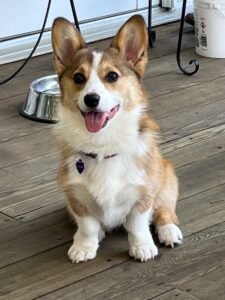
Water Is Just as Important
Fresh, clean water should be available to your puppy throughout the day.
Use a sturdy water bowl that is easy to clean. Wash the bowl regularly and replace the water frequently. corgi puppies for sale near me, pembroke welsh corgi puppies for sale, welsh corgi puppies for sale, cardigan welsh corgi puppies for sale.
Puppies can become messy around water, so expect some splashing during the early months. A washable mat underneath the bowl can make cleanup easier.
Choosing the Right Toys for a Corgi Puppy
Corgi puppies love to investigate the world with their mouths. Chewing is a natural behavior, particularly during puppyhood and teething.
The right toys can provide entertainment, mental stimulation, and an appropriate outlet for chewing.
Good choices may include:
- Puppy-safe rubber toys
- Food-stuffable toys
- Puzzle toys
- Soft toys designed for supervised play
- Fetch toys
- Appropriately sized chew toys
- Interactive toys
The most important factor is safety.
A toy should be appropriately sized for your puppy and inspected regularly for damage. If it becomes broken, excessively worn, or small enough to swallow, replace it.
ASPCA guidance emphasizes that chewing is natural for puppies but warns that inappropriate chews and toys can create choking or intestinal-obstruction risks. Dogs should be supervised with products that can break apart or be swallowed.
Puzzle Toys
Puzzle toys are particularly useful for intelligent breeds such as Corgis.
Instead of simply giving your puppy food in a bowl, an appropriate puzzle feeder can encourage them to work for part of their meal.
This provides mental stimulation and can help prevent boredom.
Start with simple puzzles. If a toy is too difficult, a puppy may become frustrated and lose interest.
Exercise for Corgi Puppies
Corgis are energetic, but puppies should not be treated like miniature adult dogs.
Young puppies need age-appropriate physical activity combined with plenty of rest.
Good activities include:
- Short walks when appropriate
- Gentle games
- Short fetch sessions
- Exploring safe areas
- Training games
- Food puzzles
- Supervised play
- Sniffing and exploration
Avoid forcing a young puppy into strenuous exercise or long-distance running. Their bodies are still developing.
Instead, provide several opportunities throughout the day for movement and exploration.
Mental exercise is equally important. A five-minute training session can be surprisingly tiring for a young puppy because the puppy is learning, thinking, listening, and processing new information.
The AKC recommends keeping Corgis both physically and mentally active and notes that activities such as training classes and dog sports can provide useful outlets.
Training Your Corgi Puppy
One of the best things about Corgis is their intelligence.
One of the challenging things about Corgis is also their intelligence.
A smart puppy can learn quickly, but it can also discover creative ways to get what it wants.
Start training early using positive, consistent methods.
Important first skills include:
Name Recognition
Say your puppy’s name in a cheerful voice and reward them when they look toward you.
Sit
Use a small food reward to guide your puppy into the sitting position, then reward the behavior.
Come
Teach your puppy that coming to you is always worthwhile. Begin in a safe, controlled environment.
Leave It
This command is especially useful for a curious puppy that wants to pick up everything from the floor.
Drop It
Corgis can develop strong opinions about objects they find interesting. Teaching a reliable “drop it” cue can help prevent conflicts over toys and inappropriate items.
Crate Training
A crate can become a comfortable resting space and can help with house training when used appropriately.
Never use the crate as punishment.
The AKC recommends teaching Corgis basic commands, crate training, housebreaking, and other foundational behaviors during puppyhood.
Keep training sessions short and positive. Puppies have limited attention spans, so several short sessions are usually more productive than one long lesson.
House Training Your Corgi Puppy
House training requires patience and consistency.
Take your puppy outside:
- After waking
- After eating
- After drinking
- After playing
- Before bedtime
- At regular intervals during the day
When your puppy goes potty in the correct location, reward them immediately.
Accidents are normal during puppyhood. Clean them thoroughly so lingering odors do not encourage your puppy to return to the same location.
Never punish a puppy for an accident that happened earlier. Instead, focus on establishing a predictable routine.
With time, your puppy will learn where and when it is appropriate to eliminate.
Socializing Your Corgi Puppy
Socialization is about helping your puppy become comfortable with the world.
A well-socialized Corgi should gradually experience different sights, sounds, surfaces, people, environments, and appropriate animals in a safe and positive way.
Introduce your puppy to experiences such as:
- Different people
- Household noises
- Car rides
- Grooming equipment
- Veterinary handling
- Different floor surfaces
- Leashes and harnesses
- Calm, appropriate dogs
- New environments
Do not overwhelm your puppy.
If your puppy appears frightened, increase distance from the stressful situation and allow them to relax.
The AKC emphasizes starting Corgi socialization early and gradually exposing puppies to different people, sounds, environments, and experiences.
Because vaccination status and local disease risks vary, ask your veterinarian about appropriate puppy classes, outdoor activities, and interactions with other dogs.
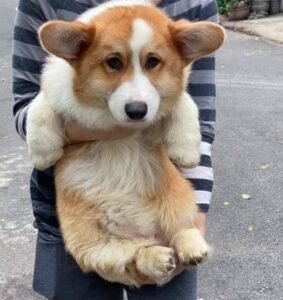
Grooming Your Corgi Puppy
Corgis have double coats and can shed considerably.
Regular grooming helps keep the coat clean and gives you an opportunity to inspect your puppy’s skin, ears, paws, and body.
A basic grooming routine can include:
- Regular brushing
- Nail trimming
- Ear checks
- Bathing when necessary
- Dental care
- Paw inspection
Brushing also helps your puppy become comfortable with being handled.
Start slowly.
Touch your puppy’s paws for a few seconds, reward them, and gradually introduce nail clippers. Do the same with ears, brushing, and other grooming equipment.
Making grooming a positive experience when your Corgi is young can make future veterinary and grooming visits much easier.
Dental Care
Dental health should begin during puppyhood.
Introduce your puppy gradually to having their mouth handled. A veterinarian can recommend an appropriate toothbrush and dog-safe toothpaste.
Never use human toothpaste unless your veterinarian specifically confirms that a product is safe for your dog.
Dental care should become a routine rather than something you only think about when a problem appears. corgi puppy for sale.
Veterinary Care and Vaccinations
A new Corgi puppy should have a veterinary examination soon after coming home.
Your veterinarian can help establish a preventive-care plan that may include:
- Puppy vaccinations
- Parasite prevention
- Fecal testing
- Weight monitoring
- Dental evaluation
- Spay or neuter discussion
- Microchipping
- Nutrition advice
- Exercise recommendations
Vaccination schedules vary based on the puppy’s age, previous vaccinations, lifestyle, and local veterinary recommendations.
Keep a record of your puppy’s medical history and vaccination dates.
Regular veterinary visits are also valuable because puppies grow rapidly. Your veterinarian can monitor development and identify potential concerns early.
Making Your Home Safe for a Corgi Puppy
Puppies are naturally curious. Anything within reach may become a toy, snack, or chewing target.
Before bringing your puppy home, inspect the house from the puppy’s perspective.
Secure:
- Electrical cords
- Cleaning products
- Human medications
- Small objects
- Toxic plants
- Trash cans
- Food
- Chemicals
- Children’s toys
- Loose household items
Keep medications and potentially poisonous products behind secure doors.
ASPCA data continues to identify human medications, foods, household products, plants, and other substances among common sources of pet toxin exposure. corgi puppies for sale near me, pembroke welsh corgi puppies for sale, welsh corgi puppies for sale, cardigan welsh corgi puppies for sale.
Remember that puppies can reach more places as they grow. A countertop that seems inaccessible today may become an easy target a few months later.
A Comfortable Corgi Puppy Setup
Before your puppy arrives, prepare a dedicated area containing the essentials.
A basic puppy setup may include:
- Comfortable bed
- Appropriately sized crate
- Food and water bowls
- Puppy food
- Training treats
- Collar or harness
- Leash
- Identification tag
- Safe toys
- Grooming supplies
- Poop bags
- Cleaning supplies
- Puppy-safe bedding
- Baby gates
- Training pads if recommended for your situation
Avoid buying dozens of toys immediately.
Start with several different types and discover what your puppy actually enjoys.
Some puppies love chasing balls. Others prefer chewing, tugging, sniffing, or solving food puzzles.
Corgi Puppies and Children
Corgis can make wonderful family companions, but children should learn how to interact respectfully with puppies.
Teach children not to:
- Pull the puppy’s ears or tail
- Ride or climb on the puppy
- Take food away
- Disturb the puppy while sleeping
- Chase the puppy
- Force physical interaction
- Put their face directly next to the puppy’s face
Young children and puppies should be supervised.
Puppies also need a quiet area where they can retreat when they want to rest.
Understanding Corgi Body Language
Learning canine body language can help prevent problems before they occur.
A relaxed puppy may have a loose body, natural posture, and comfortable facial expression.
Signs that a puppy may be uncomfortable can include:
- Turning away
- Lip licking
- Yawning when not tired
- Trying to hide
- Avoiding interaction
- Freezing
- Repeatedly moving away
- Growling
Do not punish a puppy simply for communicating discomfort.
Instead, identify what is making the puppy uncomfortable and change the situation appropriately.
Understanding communication is an important part of responsible dog ownership.
Preventing Boredom
A bored Corgi may invent its own entertainment.
Unfortunately, that entertainment could involve chewing furniture, barking, digging, stealing objects, or racing around the house.
A better approach is to provide a daily combination of:
Physical activity + training + mental enrichment + rest.
Rotate toys instead of leaving every toy available all day.
Try simple activities such as hiding kibble around a puppy-safe room, teaching tricks, playing fetch, practicing recall, or introducing a new puzzle toy.
Remember that rest is also important. Puppies sleep a lot, and an overtired puppy can sometimes appear hyperactive rather than sleepy.

A Simple Daily Routine for a Corgi Puppy
A predictable routine can make puppy life easier.
A typical day might include:
Morning:
Potty break, breakfast, short training session, play, and rest.
Midday:
Potty break, meal if appropriate for the puppy’s feeding schedule, enrichment, gentle play, and nap.
Afternoon:
Training, supervised exploration, grooming practice, and rest.
Evening:
Dinner, play, family interaction, short training session, potty break, and quiet time.
Before bed:
Final potty trip and a calm transition to the puppy’s sleeping area.
The exact schedule should be adjusted to the puppy’s age, feeding plan, veterinary recommendations, and household routine.
The Most Important Corgi Puppy Essentials
If you are building a shopping list for a new Corgi puppy, start with the basics rather than buying everything at once.
Food
Choose an appropriate complete and balanced puppy diet.
Treats
Use small, puppy-appropriate rewards and keep portions under control.
Toys
Provide safe options for chewing, fetching, tugging, and mental enrichment.
Grooming Supplies
Have a brush, nail-care equipment, and dog-safe dental-care supplies.
Training Equipment
A properly fitted collar or harness, leash, crate, and baby gates can make training easier.
Safety Equipment
Identification and microchipping can help protect your puppy if they ever become lost.
Cleaning Supplies
Accidents happen. Keep appropriate cleaning products available and store them safely.
Final Thoughts: Raising a Happy Corgi Puppy
Corgi puppies are more than cute faces and short legs. They are intelligent, active, social dogs that need structure, attention, nutrition, training, and appropriate outlets for their natural behaviors. corgi puppies for sale near me, pembroke welsh corgi puppies for sale, welsh corgi puppies for sale, cardigan welsh corgi puppies for sale.
The best approach to raising a Corgi is to start early and stay consistent.
Feed a balanced puppy diet. Keep treats under control. Provide fresh water. Offer safe toys. Teach basic commands. Socialize your puppy gradually. Introduce grooming and veterinary handling early. Give your Corgi age-appropriate exercise and plenty of mental stimulation. Most importantly, make safety a priority.
A Corgi does not need a perfect owner. Your puppy needs an owner who is patient, observant, consistent, and willing to learn.
Every puppy develops at a different pace. If you are unsure about your Corgi’s food, weight, vaccinations, exercise, behavior, or health, consult your veterinarian for individualized advice.
With the right preparation and care, those first chaotic puppy months can become the foundation for many wonderful years together.
Corgi Puppy Care Checklist
Before bringing your puppy home, make sure you have:
☐ Complete and balanced puppy food
☐ Fresh water bowl
☐ Safe puppy toys
☐ Appropriate chew toys
☐ Food puzzle or enrichment toy
☐ Comfortable crate
☐ Puppy bed
☐ Collar or harness
☐ Leash
☐ Identification tag
☐ Grooming brush
☐ Nail-care supplies
☐ Dog-safe dental-care products
☐ Training treats
☐ Poop bags
☐ Cleaning supplies
☐ Baby gates or puppy-proof barriers
☐ Veterinary appointment
☐ Vaccination and medical records
☐ Safe sleeping area
☐ Daily training and exercise plan
A prepared home, a balanced diet, safe toys, positive training, regular veterinary care, and lots of patience can give your Corgi puppy an excellent start in life.
Disclaimer: This guide is intended for general educational purposes and is not a substitute for veterinary advice. Feeding amounts, vaccination schedules, exercise needs, and medical care should be determined with a qualified veterinarian based on your individual puppy.
Frequently Asked Questions About Corgi Puppies
What should I feed my Corgi puppy?
Feed a complete and balanced puppy diet appropriate for your puppy’s age and nutritional needs. Feeding amounts should be based on the food’s instructions, your puppy’s growth and body condition, and veterinary guidance. Corgis can be prone to weight gain, so avoid excessive treats and overfeeding.
How often should a Corgi puppy eat?
Young puppies generally need multiple meals throughout the day. The appropriate schedule depends on age, development, food, and individual needs, so ask your veterinarian for a feeding schedule appropriate for your puppy.
What are the best toys for Corgi puppies?
Good options include appropriately sized chew toys, rubber toys, food puzzles, interactive toys, fetch toys, and supervised tug or plush toys. Inspect toys frequently and remove damaged items.
Are Corgi puppies easy to train?
Corgis are intelligent and generally responsive to training. Positive, reward-based methods, consistency, short training sessions, and early socialization can help establish good behavior.
How much exercise does a Corgi puppy need?
Corgi puppies need age-appropriate physical activity combined with mental stimulation and plenty of rest. Avoid excessive or strenuous exercise while the puppy is developing, and ask your veterinarian about an appropriate activity level.
How often should I groom my Corgi puppy?
Corgis have a double coat and shed regularly, so brushing should be part of their routine. Begin grooming training during puppyhood and introduce brushing, nail care, ear checks, and other handling gradually.
When should I start training my Corgi puppy?
Training can begin as soon as your puppy comes home. Start with simple behaviors such as name recognition, attention, sit, recall, crate training, and appropriate potty habits.
How do I socialize a Corgi puppy?
Gradually expose your puppy to different people, sounds, environments, surfaces, handling experiences, and appropriate dogs in positive and safe situations. Follow your veterinarian’s advice regarding vaccination and exposure to public areas.
What supplies does a Corgi puppy need?
Essential supplies include puppy food, water bowls, a crate, bed, collar or harness, leash, identification, safe toys, training treats, grooming supplies, dental-care products, cleaning supplies, and puppy-proofing equipment.
Can Corgi puppies become overweight?
Yes. Weight management is important for Corgis. Monitor food portions, keep treats controlled, provide appropriate exercise, and ask your veterinarian to assess your puppy’s body condition and growth.
Final Thoughts on Corgi Puppy Care
Raising a Corgi puppy is an exciting responsibility.
These intelligent little dogs thrive when their physical, mental, nutritional, social, and emotional needs are addressed together.
Give your puppy appropriate food, fresh water, safe toys, positive training, regular grooming, age-appropriate exercise, early socialization, preventive veterinary care, and a safe environment.
Most importantly, be patient.
Your Corgi puppy is learning how to live in a human world. Every training session, grooming experience, walk, game, meal, and quiet moment helps shape the adult dog they will become.
For more resources, explore the Loyal Paws USA Dog Guides and Dog Care sections, and browse the available Corgi Puppies and dog-care categories.
Showing all 5 results
-
Sale!

Layla
Original price was: $1,350.00.$1,200.00Current price is: $1,200.00. -
Sale!
Oscar
Original price was: $1,200.00.$1,000.00Current price is: $1,000.00. -
Sale!
Pearl
Original price was: $1,350.00.$1,200.00Current price is: $1,200.00. -
Sale!
Roxy
Original price was: $1,350.00.$1,200.00Current price is: $1,200.00. -
Sale!
Simba
Original price was: $1,200.00.$1,000.00Current price is: $1,000.00.
