

Dog Food Guide
Choosing the right dog food is one of the most important responsibilities of being a pet owner. A nutritious, appropriately portioned diet can support healthy growth, strong muscles, normal development, a healthy coat, proper digestion, and overall well-being, dog food, best dog food for French Bulldogs, French Bulldog food, English Bulldog food, best food for Pug puppies, Corgi puppy food, puppy nutrition, healthy dog food, dog feeding guide, puppy feeding schedule.
However, not every dog has exactly the same nutritional needs. Age, size, activity level, body condition, health status, and life stage all influence how much food a dog needs and what type of diet may be appropriate.
This is particularly important when caring for French Bulldogs, English Bulldogs, Pug puppies, and Corgi puppies. These breeds have different body structures, activity patterns, and tendencies toward weight gain, so responsible feeding requires more than simply filling a bowl.
For puppy owners, food choices are especially important because puppies are growing rapidly. Their nutritional requirements differ from those of adult dogs. A growing puppy needs an appropriate balance of protein, fat, carbohydrates, vitamins, minerals, and other nutrients.
This guide explains the fundamentals of dog food and provides practical information to help owners make informed feeding decisions.
Why Dog Food Matters
Food provides dogs with the nutrients and energy they need to live and grow. A balanced diet supports many functions throughout the body.
The main nutritional components of dog food include:
- Protein
- Fat
- Carbohydrates
- Vitamins
- Minerals
- Water
- Essential fatty acids
- Other beneficial nutrients
Each nutrient has a different role.
Protein
Protein supplies amino acids that dogs use to build and maintain muscles and other tissues. It is particularly important during puppyhood because puppies are developing rapidly.
Protein can come from ingredients such as poultry, beef, fish, eggs, and other animal or plant sources.
However, looking only at the percentage of protein on a label does not tell the entire nutritional story. The quality, digestibility, amino-acid profile, and overall formulation also matter.
Fat
Dietary fat is an important source of energy. It also helps dogs absorb certain fat-soluble vitamins and provides essential fatty acids.
Growing puppies need diets formulated for growth rather than simply choosing a food because it contains a high percentage of fat.
Too much food, regardless of whether the calories come from fat, protein, or carbohydrates, can contribute to excessive weight gain.
Carbohydrates
Carbohydrates can provide energy and contribute dietary fiber. Depending on the formulation, dog food may contain ingredients such as rice, oats, potatoes, peas, or other carbohydrate sources.
Dogs can digest and utilize properly prepared carbohydrates, although individual dogs may respond differently to particular ingredients.
Vitamins and Minerals
Vitamins and minerals contribute to normal development, immune function, bones, muscles, metabolism, and numerous other biological processes.
This is one reason why homemade diets should not be improvised. A diet that appears healthy may still be deficient or excessive in important nutrients.
Water
Water is just as important as food. Fresh, clean drinking water should normally be available to dogs throughout the day.
Dog Food for French Bulldogs
French Bulldogs are compact, muscular companion dogs known for their distinctive appearance and friendly personalities.
Their short faces and compact body shape can influence how they eat. Some French Bulldogs may eat rapidly or have difficulty picking up certain shapes of kibble.
Choosing French Bulldog Food
When selecting food for a French Bulldog, consider:
- Life stage
- Calorie density
- Protein and fat levels
- Digestibility
- Ingredient quality
- Kibble size and shape
- Individual sensitivities
- Body condition
A food formulated for the dog’s life stage and appropriate for its nutritional needs is generally a sensible starting point.
Watch the Calories
French Bulldogs can be relatively inactive compared with highly athletic breeds. Individual activity varies, however.
Because weight management is important, owners should avoid automatically increasing portions simply because a dog seems enthusiastic about eating.
Treats and table scraps also contribute calories.
Feeding a French Bulldog Puppy
A French Bulldog puppy should generally receive a puppy diet appropriate for growth, with feeding frequency and portion size adjusted according to age, body condition, and veterinary guidance.
Young puppies often benefit from several appropriately sized meals rather than one or two very large meals.
dog food, best dog food for French Bulldogs, French Bulldog food, English Bulldog food, best food for Pug puppies, Corgi puppy food, puppy nutrition, healthy dog food, dog feeding guide, puppy feeding schedule

Puppy Food vs. Adult Dog Food
One of the most important distinctions to understand is the difference between food formulated for puppies and food formulated for adult dogs.
Puppies are growing, which means their nutritional requirements are different from those of mature dogs.
A suitable puppy diet should be formulated to support growth and development.
Why Puppy Nutrition Is Different
Puppies are developing:
- Bones
- Muscles
- Teeth
- Organs
- Nervous systems
- Immune systems
They also typically require more energy per unit of body weight than many adult dogs.
However, feeding more food than necessary is not the solution. Excessive calorie intake can lead to overly rapid weight gain, which may put unnecessary stress on developing bones and joints.
For French Bulldogs, English Bulldogs, Pug puppies, and Corgi puppies, monitoring growth and body condition is therefore important.
When Should a Puppy Change to Adult Food?
The appropriate transition age depends on the dog’s breed, size, growth pattern, and individual development.
Rather than relying on a single universal age, owners should ask their veterinarian when their particular puppy should transition.
When the transition is appropriate, changing food gradually over several days can help reduce the likelihood of digestive upset.
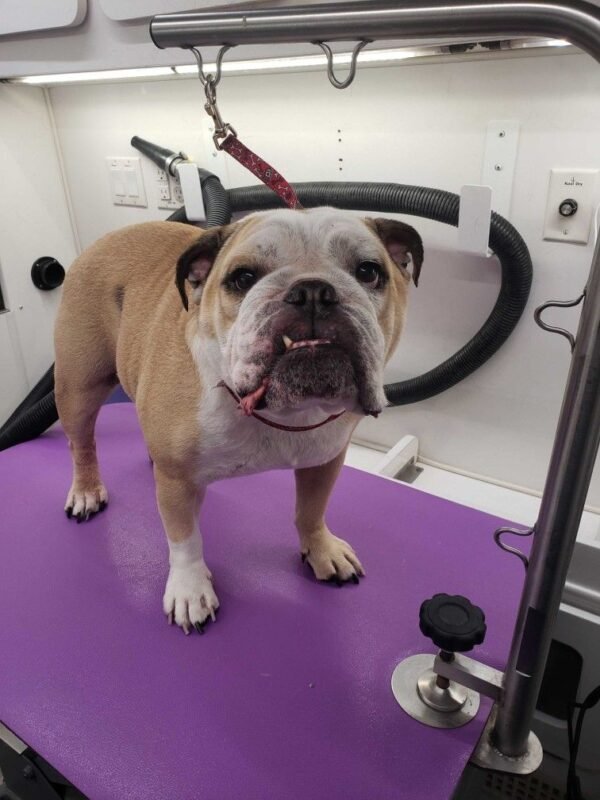
Dog Food for English Bulldogs
English Bulldogs have a distinctive stocky build and generally do not require the same calorie intake as highly athletic breeds.
Their body condition should be monitored carefully.
Balanced Nutrition for English Bulldogs
An appropriate diet should provide nutrients necessary for:
- Muscle maintenance
- Bone health
- Normal immune function
- Skin and coat health
- Energy
- Healthy digestion
Instead of choosing food solely because it is marketed specifically for Bulldogs, examine whether the product is nutritionally appropriate for the dog’s life stage and individual needs.
Avoid Overfeeding
Bulldogs may gain excess weight if they consistently consume more calories than they use.
Weight management can be especially important because excess body weight can increase physical stress on the joints and make movement more difficult.
Owners should regularly observe their dog’s body condition rather than judging weight by appearance alone.
Your veterinarian can help determine whether your Bulldog is at an appropriate body condition.
Food for Pug Puppies
Pugs are small companion dogs with compact bodies and short muzzles. Pug puppies need appropriate nutrition during their growth period.
Selecting Food for Pug Puppies
A Pug puppy’s diet should be formulated for growth and should provide the nutrients needed for development.
Important considerations include:
- Appropriate calorie density
- Quality protein sources
- Essential fatty acids
- Vitamins and minerals
- Digestibility
- Appropriate portion sizes
Portion Control
Pugs can be prone to weight gain, making portion control particularly important.
A feeding guide printed on a food package can provide a starting point, but it should not automatically be treated as a precise prescription for every puppy.
Puppies differ in metabolism, activity, growth rate, and body condition.
Regular veterinary examinations provide opportunities to assess growth and adjust feeding when necessary.
Treats for Pug Puppies
Treats should be small and should account for part of the puppy’s daily calorie intake.
Training treats can be useful, but using excessive numbers of treats can unintentionally increase daily calories.
For young puppies, owners should also make sure treats are age-appropriate and easy to chew.


Corgi Puppy Food
Corgis are energetic, intelligent dogs with distinctive long bodies and relatively short legs.
Their activity levels can vary considerably between individual dogs.
Feeding a Corgi Puppy
A Corgi puppy needs food designed for growth, but calorie intake should still be monitored.
Overfeeding a growing Corgi can contribute to excessive body weight.
A balanced feeding approach includes:
- Selecting an appropriate puppy food.
- Measuring portions.
- Establishing consistent meal times.
- Monitoring body condition.
- Adjusting food as the puppy grows.
- Limiting unnecessary treats.
- Providing constant access to fresh water.
Activity and Food
Corgi puppies often enjoy play and exploration. However, owners should not assume that an active puppy needs unlimited food.
Instead, adjust feeding based on growth, activity, body condition, and veterinary recommendations.
dog food, best dog food for French Bulldogs, French Bulldog food, English Bulldog food, best food for Pug puppies, Corgi puppy food, puppy nutrition, healthy dog food, dog feeding guide, puppy feeding schedule
Understanding Dog Food Labels
Learning how to read a dog food label can help owners make more informed choices.
Packaging commonly provides information about:
- Product name
- Intended life stage
- Ingredients
- Guaranteed analysis
- Feeding directions
- Calorie information
- Manufacturer information
The Ingredient List
Ingredients are typically listed by weight.
However, ingredient lists should not be interpreted in isolation.
For example, seeing a particular ingredient near the beginning of a list does not automatically mean that the product is superior to another food.
The complete nutritional formulation is more important than focusing on one or two ingredients.
Nutritional Adequacy
One of the most important things to look for is whether the food is appropriately formulated for the dog’s life stage.
For puppies, look for a product intended to provide complete and balanced nutrition for growth.
If you are uncertain about whether a food meets your puppy’s needs, consult your veterinarian.
How Much Food Should a Dog Eat?
There is no single feeding amount that works for every dog.
The appropriate amount depends on factors such as:
- Age
- Weight
- Breed
- Activity level
- Metabolism
- Life stage
- Body condition
- Reproductive status
- Health status
- Calorie density of the food
A food package’s feeding chart can provide an initial guideline.
However, these recommendations are estimates.
Two dogs of the same breed and weight can have different energy requirements.
Measuring Food
Using a measuring cup is better than simply filling a bowl based on visual estimates.
For greater precision, particularly when managing weight, owners can use a kitchen scale to measure food according to the manufacturer’s feeding recommendations.
Monitor Body Condition
Instead of relying only on the number on a scale, learn to recognize healthy body condition.
Your dog’s ribs should be appropriately palpable without being covered by excessive fat, while the abdomen should have an appropriate shape when viewed from the side.
Your veterinarian can demonstrate how to assess body condition accurately.
How Often Should Puppies Eat?
Young puppies generally require more frequent meals than adult dogs because their stomachs are smaller and they are growing rapidly.
The appropriate feeding schedule changes as a puppy matures.
A general approach is:
Very Young Puppies
They may require multiple meals throughout the day.
Growing Puppies
Meal frequency can gradually decrease as they mature.
Older Puppies
They can often move toward a schedule resembling adult feeding patterns.
The exact schedule should be adjusted according to age, breed, food, growth, and veterinary guidance.
For French Bulldogs, English Bulldogs, Pug puppies, and Corgi puppies, consistency is useful.
Feeding at approximately the same times each day can make it easier to monitor appetite and digestion.
Wet Food vs. Dry Food
Both wet and dry dog food can have a place in a dog’s diet when appropriately formulated.
Dry Dog Food
Dry food is convenient and easy to measure.
Advantages can include:
- Convenient storage
- Easy portion control
- Less mess
- Often lower cost per calorie
- Easy use in food puzzles
Wet Dog Food
Wet food contains more moisture and may be appealing to dogs that prefer softer textures.
Some owners combine wet and dry food.
However, when combining foods, remember that both contribute calories.
Which Is Better?
There is no universal answer.
The key consideration is whether the chosen diet provides appropriate, complete nutrition for the individual dog.
Owners should consider their dog’s preferences, health needs, budget, feeding routine, and veterinarian’s recommendations.
Fresh Water and Hydration
Food is only one part of proper nutrition.
Dogs should generally have access to fresh drinking water throughout the day.
Water supports:
- Temperature regulation
- Digestion
- Circulation
- Normal cellular function
- Waste removal
Water consumption can vary according to temperature, activity, diet, and individual circumstances.
If a dog suddenly drinks substantially more or less water than usual, owners should discuss the change with a veterinarian.
Dog Treats and Snacks
Treats can be useful for training and bonding, but they should not replace balanced meals.
For puppies, treats should be appropriate for their size and developmental stage.
Good habits include:
- Using small training treats
- Avoiding excessive portions
- Counting treats as part of daily calories
- Avoiding unsafe foods
- Supervising puppies while they eat
Owners should also be careful with human foods.
Some foods that are harmless to humans can be dangerous to dogs.
Examples include chocolate, grapes and raisins, onions, garlic, xylitol-containing products, and certain other foods.
When uncertain about whether a food is safe, do not give it to your dog until you have confirmed its safety with a veterinarian or reliable veterinary poison-control resource.

Common Dog Feeding Mistakes
Even well-intentioned owners can make feeding mistakes.
Mistake 1: Overfeeding
Giving a dog too much food can result in excessive weight gain.
Mistake 2: Too Many Treats
Small treats may seem insignificant, but several treats throughout the day can add substantial calories.
Mistake 3: Constantly Changing Food
Frequent unnecessary diet changes can contribute to digestive upset.
Mistake 4: Feeding Table Scraps
Human food can introduce excessive calories and potentially unsafe ingredients.
Mistake 5: Ignoring Body Condition
Owners sometimes rely only on the feeding chart and do not adjust portions as their dog grows or changes activity levels.
Mistake 6: Free-Feeding Without Monitoring
Leaving unlimited food available can make portion control difficult for dogs that readily overeat.
Transitioning to a New Dog Food
When changing your dog’s food, a gradual transition is usually preferable to making an immediate switch.
A gradual transition gives the digestive system time to adapt.
A commonly used approach is to gradually increase the proportion of the new food while decreasing the old food over approximately a week.
For dogs with sensitive digestive systems, the transition may need to be slower.
If your dog develops persistent vomiting, severe diarrhea, refuses food, becomes unusually lethargic, or shows other concerning symptoms, contact your veterinarian.
Homemade Dog Food: Is It Safe?
Some owners choose to prepare food at home.
While homemade diets can potentially be formulated appropriately, simply combining meat, vegetables, rice, and other ingredients does not automatically create a complete and balanced diet.
Growing puppies are particularly sensitive to nutritional imbalances because they need appropriate amounts and ratios of numerous nutrients.
If you want to feed a homemade diet, discuss the plan with your veterinarian or a veterinary nutrition professional.
This is especially important for puppies.
Dog Food and Food Allergies
Some dogs develop adverse reactions to particular ingredients.
Possible signs can include:
- Itching
- Skin problems
- Ear problems
- Gastrointestinal upset
- Recurrent digestive symptoms
However, not every case of itching or diarrhea is caused by a food allergy.
Environmental allergies, parasites, infections, and other conditions can produce similar symptoms.
If you suspect your French Bulldog, English Bulldog, Pug, or Corgi has a food allergy, avoid randomly eliminating numerous ingredients.
Instead, consult a veterinarian. A veterinarian may recommend a controlled elimination diet or another diagnostic approach.

Special Considerations for Bulldog Breeds
French Bulldogs and English Bulldogs deserve special attention when it comes to maintaining an appropriate body condition.
Their compact body structures can make excess weight particularly noticeable.
Owners should consider:
- Appropriate calorie intake
- Regular but sensible exercise
- Portion control
- Treat calories
- Body condition
- Individual health needs
Food should support a healthy lifestyle rather than becoming a substitute for exercise or enrichment.
For Bulldogs that have difficulty eating particular kibble shapes or sizes, owners can ask their veterinarian whether a different food texture or feeding method would be appropriate.
Feeding Puppies During Growth
Puppyhood is an important developmental period.
Owners should pay attention not only to how much a puppy eats but also to how the puppy is growing.
Signs that should prompt a conversation with a veterinarian include:
- Poor appetite
- Persistent diarrhea
- Repeated vomiting
- Failure to gain weight appropriately
- Sudden weight loss
- Excessive weight gain
- Low energy
- Difficulty chewing or swallowing
A puppy’s nutritional needs change as it grows.
Therefore, the feeding routine used when a puppy first comes home may need to be adjusted later.
Creating a Healthy Feeding Routine
A consistent feeding routine can make puppy ownership easier.
For French Bulldogs, English Bulldogs, Pug puppies, and Corgi puppies, owners can establish a routine that includes:
Morning:
Fresh water, scheduled meal, bathroom break, and appropriate activity.
Midday:
Meal when appropriate for the puppy’s age and feeding schedule.
Afternoon:
Play, training, enrichment, and monitoring.
Evening:
Scheduled meal, fresh water, activity, and bathroom break.
The exact schedule should be individualized.
A routine also makes it easier to notice changes in appetite.
If a puppy that normally eats enthusiastically suddenly refuses multiple meals, that change should not automatically be dismissed as pickiness.
Food, Exercise, and Healthy Weight
Nutrition and exercise work together.
French Bulldogs and English Bulldogs may not need the same level of physical activity as more athletic breeds, while Corgis can be energetic and playful.
Pugs also benefit from appropriate daily activity.
However, exercise plans should consider the individual dog’s age, fitness, weather conditions, and physical characteristics.
Short-faced breeds such as French Bulldogs, English Bulldogs, and Pugs can be particularly sensitive to heat and breathing difficulties.
Owners should avoid strenuous activity during hot or humid conditions and seek veterinary advice if a dog shows signs of respiratory distress.
Comparing the Four Breeds
While individual dogs vary, owners can keep some general considerations in mind.
| Breed | Important Feeding Considerations |
|---|---|
| French Bulldog | Portion control, appropriate food texture, weight management |
| English Bulldog | Calorie control, healthy body condition, digestibility |
| Pug Puppy | Controlled portions, puppy nutrition, weight monitoring |
| Corgi Puppy | Growth nutrition, calorie management, activity considerations |
These are general considerations rather than breed-specific medical rules.
Every dog should ultimately have its diet adjusted according to its individual needs.
How to Choose Dog Food for Your Puppy
When shopping for food, avoid choosing products based solely on attractive packaging or marketing claims.
Instead, consider these questions:
1. Is it appropriate for the puppy’s life stage?
Look for food formulated for growth.
2. Is it complete and balanced?
The product should provide appropriate nutrition for its intended life stage.
3. Is it appropriate for the individual puppy?
Breed, size, activity, and health should be considered.
4. Does the puppy tolerate it well?
Monitor stool quality, appetite, skin, coat, and overall condition.
5. Is the calorie content appropriate?
Portions should be adjusted based on body condition and growth.
6. Can you maintain a consistent feeding routine?
A food that fits your lifestyle can make proper feeding easier.
Frequently Asked Questions About Dog Food
What is the best dog food for French Bulldogs?
There is no single food that is best for every French Bulldog. Choose a complete and balanced diet appropriate for the dog’s life stage and individual needs. Your veterinarian can help if your dog has allergies, digestive issues, or weight concerns.
What food is best for English Bulldogs?
English Bulldogs need nutritionally complete food appropriate for their life stage. Portion control and maintaining a healthy body condition are particularly important considerations.
What should Pug puppies eat?
Pug puppies should generally eat food formulated for puppy growth. Portions should be appropriate for their age, size, activity, and body condition.
What is good food for Corgi puppies?
Corgi puppies need a complete and balanced puppy diet that supports growth. Their portions should be monitored to prevent excessive weight gain.
How many times should I feed my puppy?
Young puppies generally require several meals per day, with feeding frequency changing as they mature. Your veterinarian can recommend a schedule based on your puppy’s age and development.
Can puppies eat adult dog food?
Adult dog food may not provide the nutritional profile required for growing puppies. Puppies should generally receive food formulated for growth unless a veterinarian recommends otherwise.
Should I give my puppy treats?
Treats can be used in moderation, particularly during training. They should be appropriate for puppies and should contribute to the puppy’s overall daily calorie intake.
Can I change my dog's food suddenly?
A gradual transition is generally preferable because abrupt dietary changes can cause digestive upset.
How do I know if my dog is overweight?
Body condition is more useful than appearance alone. Your veterinarian can help you assess your dog’s body condition and determine whether changes to food or activity are appropriate.
Does my dog need supplements?
Not necessarily. A complete and balanced commercial diet generally provides the nutrients a healthy dog needs. Supplements should be discussed with a veterinarian, particularly for puppies.

Final Dog Food Checklist for Puppy Owners
Before choosing or changing your dog’s food, consider the following checklist:
☐ Is the food appropriate for your dog’s life stage?
☐ Is it complete and balanced?
☐ Are portions being measured?
☐ Is your puppy growing appropriately?
☐ Is your dog maintaining a healthy body condition?
☐ Are treats being counted as part of daily calories?
☐ Does your dog have access to clean water?
☐ Are dietary changes being made gradually?
☐ Are you monitoring digestion and appetite?
☐ Have you discussed unusual symptoms with a veterinarian?
For French Bulldogs, English Bulldogs, Pug puppies, and Corgi puppies, these basic principles can provide a useful foundation for responsible feeding.
Conclusion
Choosing the right dog food is about more than selecting a popular brand or the most attractive package. Good nutrition involves selecting food appropriate for the dog’s life stage, providing suitable portions, monitoring body condition, offering fresh water, and adjusting the feeding routine as the dog develops.
French Bulldogs, English Bulldogs, Pug puppies, and Corgi puppies all have individual nutritional needs. Their breed characteristics can provide useful context, but no two dogs are exactly alike.
For puppies especially, nutrition should support steady, healthy development rather than encourage excessive growth or weight gain. Owners should monitor appetite, digestion, body condition, activity, and overall development.
At Loyal Paws USA, responsible puppy ownership starts with education. Understanding dog food and establishing healthy feeding habits can help owners give their new companions a strong foundation for a happy and active life.
When in doubt about food selection, portions, allergies, supplements, or a puppy’s growth, consulting a qualified veterinarian is one of the most reliable ways to make a decision tailored to your individual dog.
dog food, best dog food for French Bulldogs, French Bulldog food, English Bulldog food, best food for Pug puppies, Corgi puppy food, puppy nutrition, healthy dog food, dog feeding guide, puppy feeding schedule
