

Caring for French Bulldogs, English Bulldogs, Pug Puppies & Corgi Puppies
Choosing a dog is an exciting experience, but responsible dog ownership involves much more than providing food, water, and a comfortable place to sleep. Every breed has its own physical characteristics, temperament, exercise requirements, grooming needs, and potential health considerations. Understanding these differences can help owners provide safer, healthier, and happier lives for their dogs.
French Bulldogs, English Bulldogs, Pug puppies, and Corgi puppies are popular companion breeds in the United States. They can make wonderful family pets when their individual needs are understood and properly addressed. At the same time, some of these breeds have characteristics that require particular attention, including short facial structures, sensitive skin, weight-management needs, and joint or spinal considerations.
This comprehensive dog care guide explains the fundamentals of caring for these breeds, from nutrition and exercise to grooming, training, socialization, veterinary care, home safety, and daily routines.
Understanding Your Dog’s Individual Needs
Before creating a care routine, remember that breed is only one part of a dog’s identity. Age, size, genetics, personality, activity level, environment, and previous experiences can all influence what an individual dog needs.
A young puppy generally requires more frequent meals, bathroom breaks, supervision, sleep, and training than an adult dog. Puppies also go through important developmental stages during their first year, making early socialization and positive training especially valuable.
French Bulldogs and English Bulldogs have compact, muscular bodies and short muzzles. Pugs are also brachycephalic, meaning they have a shortened skull and muzzle. These physical characteristics can affect breathing and temperature regulation, so owners should be especially careful with heat and strenuous exercise.
Corgis have a very different body structure. Their long backs and relatively short legs mean owners should pay attention to jumping, stairs, body weight, and activities that place excessive stress on the spine or joints.
Regardless of breed, responsible care begins with observing your dog’s behavior and working with a qualified veterinarian when health concerns arise.
Creating a Safe and Comfortable Home
A good home environment is one of the foundations of responsible dog care. Puppies should have a designated area where they can sleep, relax, and retreat when they need quiet time.
Use a comfortable, washable bed that is appropriate for your dog’s size. Puppies may chew bedding, toys, furniture, and other household objects, so inspect their environment regularly and replace damaged items.
Puppy-proofing your home
Before bringing a puppy home, inspect rooms from the puppy’s perspective. Remove or secure:
- Electrical cords
- Small objects that could be swallowed
- Toxic household products
- Certain human foods
- Medications
- Cleaning chemicals
- Easily accessible trash
- Sharp objects
- Unstable furniture
- Plants that may be toxic to dogs
Doors, gates, and secure fencing can also help prevent accidental escapes.
French Bulldogs, English Bulldogs, Pugs, and Corgis can all be curious and determined. Never assume that a small opening or low barrier is automatically safe.
Your dog should also have access to clean drinking water throughout the day unless a veterinarian has specifically recommended otherwise.
Feeding French Bulldogs, English Bulldogs, Pugs & Corgis
Nutrition plays a major role in canine health. Puppies require food formulated for growth, while adult dogs need diets appropriate for their age, size, activity level, and health status.
When selecting food, look for a complete and balanced diet appropriate for the dog’s life stage. Your veterinarian can help you determine which nutritional approach is appropriate for your individual dog.
Feeding puppies
Young puppies generally need more frequent meals than adult dogs. Follow the feeding instructions for the specific food and your veterinarian’s recommendations rather than relying solely on generic portion sizes.
Puppy growth should be monitored carefully. Overfeeding can contribute to excessive weight gain and place unnecessary stress on developing joints.
French Bulldog and English Bulldog nutrition
Bulldogs can be prone to weight gain when food intake exceeds their energy requirements. Maintaining an appropriate body condition is particularly important because excess weight can increase physical strain and may make breathing and movement more difficult.
Treats should be included in the dog’s overall daily calorie intake. Avoid using treats excessively during training.
Pug puppy nutrition
Pug puppies are energetic and playful, but their compact bodies can gain excess weight relatively easily. Measured meals and regular monitoring of body condition can help prevent overfeeding.
Because Pugs have short muzzles, owners should also pay attention to eating and drinking behavior and discuss unusual difficulty with a veterinarian.

Corgi nutrition
Corgis are active dogs, but their appetite can make portion control important. A healthy body condition helps reduce unnecessary stress on their joints and back.
Avoid allowing a Corgi to become overweight. If you are uncertain about your dog’s ideal body condition, ask your veterinarian for an assessment.
Understanding Treats and Human Foods
Treats can be useful during training, but they should not replace balanced meals.
Many common human foods are unsuitable or dangerous for dogs. Chocolate, grapes and raisins, onions, garlic, xylitol-containing products, alcohol, and certain other foods can be harmful.
Keep potentially dangerous foods out of reach, particularly when caring for curious puppies.
Instead of frequently offering table scraps, use small dog-safe treats and incorporate them into a structured training program.
Exercise Requirements
Exercise supports physical health, mental stimulation, and healthy body weight. However, exercise requirements vary significantly between breeds and individual dogs.
French Bulldogs
French Bulldogs generally benefit from moderate activity rather than prolonged, intense exercise. Short walks and supervised play can provide useful physical and mental stimulation.
Because of their short muzzles, French Bulldogs may have difficulty tolerating heat and strenuous activity. Exercise should be adjusted according to weather conditions and the individual dog’s breathing and energy level.
English Bulldogs
English Bulldogs also benefit from controlled, moderate exercise. Short walks and gentle play may be more appropriate than long-distance running or intense physical activity.
Heat deserves special attention. Avoid strenuous outdoor activity during hot weather and provide a cool environment.
Pug puppies
Pug puppies enjoy play and exploration, but their exercise should be age-appropriate. Short periods of activity separated by rest can be more suitable than prolonged exertion.
Monitor breathing carefully. If your puppy appears distressed, excessively tired, or has difficulty breathing, stop the activity and contact a veterinarian if symptoms are concerning.


Corgi puppies
Corgis are energetic and intelligent. They often enjoy walks, interactive games, training exercises, and activities that challenge them mentally.
Puppies should not be pushed into excessive high-impact activity while their bodies are developing. Limit repetitive jumping from furniture and other activities that may unnecessarily stress growing joints.
Heat Safety Is Especially Important
Heat management deserves special attention for French Bulldogs, English Bulldogs, and Pugs because brachycephalic dogs can have difficulty cooling themselves through normal panting.
During warm weather:
- Exercise during cooler parts of the day.
- Provide access to fresh water.
- Keep your dog in a cool, well-ventilated environment.
- Avoid strenuous exercise in hot conditions.
- Never leave a dog unattended in a parked vehicle.
- Watch closely for signs of overheating.
Heavy or abnormal panting, weakness, confusion, collapse, excessive drooling, or other signs of heat distress require immediate attention. Heatstroke can become life-threatening quickly.
When in doubt, move the dog to a cooler environment and seek veterinary assistance promptly.
Dental Care
Dental hygiene is an important but sometimes overlooked part of dog care.
Plaque and tartar can contribute to periodontal disease, which can affect the mouth and overall health.
Introduce tooth brushing gradually. Use a toothbrush and toothpaste specifically designed for dogs. Human toothpaste should not be used unless a veterinarian specifically directs you to do so.
Puppies can begin learning that having their mouth and teeth gently handled is normal. Start slowly and reward calm behavior.
Regular veterinary dental examinations are also important.
Ear, Nail and Paw Care
Check your dog’s ears periodically for unusual odor, redness, discharge, swelling, or excessive scratching.
Do not insert objects deep into the ear canal. If you suspect an ear infection, have the dog examined by a veterinarian.
Nails should be kept at an appropriate length. Overgrown nails can affect posture and movement and may become uncomfortable.
Paw pads should also be inspected after outdoor activities. Hot pavement, ice, chemicals, sharp objects, and rough surfaces can cause injuries.
Grooming and Skin Care
Regular grooming keeps your dog comfortable and allows you to notice changes in the skin, coat, ears, paws, and body.
French Bulldogs
French Bulldogs have short coats but still require regular brushing. Their facial folds should be checked regularly and kept clean and dry according to veterinary guidance.
Moisture trapped in skin folds can contribute to irritation and infection. If you notice persistent redness, odor, discharge, swelling, or discomfort, consult a veterinarian.
English Bulldogs
English Bulldogs also require attention to facial and skin folds. Routine cleaning and drying can help maintain skin hygiene, but excessive cleaning or harsh products may cause irritation.
Choose products specifically formulated for dogs and follow veterinary recommendations if your Bulldog has recurring skin problems.
Pug puppies
Pugs shed despite their short coats. Regular brushing can help remove loose hair and keep the coat cleaner.
Their facial folds should also be monitored for moisture, odor, irritation, and debris.
Corgis
Corgis have a thicker double coat and can shed significantly. Regular brushing can help remove loose undercoat and reduce the amount of hair around the home.
Avoid shaving a double-coated dog unless specifically recommended by a veterinary professional for a medical reason.

Veterinary Care and Preventive Health
Routine veterinary care is one of the most important responsibilities of dog ownership.
Puppies generally require several veterinary visits during their early development. These appointments allow the veterinarian to monitor growth, administer recommended vaccinations, discuss parasite prevention, assess development, and answer questions about nutrition and behavior.
Adult dogs also need routine examinations.
Depending on the dog’s age, lifestyle, location, and health history, preventive care may include:
- Vaccinations
- Parasite prevention
- Fecal testing
- Dental assessments
- Weight monitoring
- Bloodwork when appropriate
- Reproductive health discussions
- Microchipping
- General physical examinations
Do not wait for a serious illness before establishing a relationship with a veterinary practice.
Breed-Specific Health Considerations
Every dog can develop health problems, and having a particular breed does not guarantee that a dog will develop a specific condition. However, responsible owners should understand characteristics associated with their dog’s breed.
French Bulldogs and breathing
French Bulldogs are brachycephalic. Some individuals can experience airway-related problems, especially when breathing is affected by anatomical features.
Noisy breathing should not automatically be considered normal. If your French Bulldog has persistent breathing difficulty, exercise intolerance, frequent respiratory distress, or problems sleeping or eating, discuss the symptoms with your veterinarian.
English Bulldogs
English Bulldogs also have brachycephalic anatomy and may require careful monitoring during exercise and hot weather.
Their skin folds, joints, eyes, respiratory system, and overall body condition should receive appropriate attention.
Pugs
Pugs have a compact body and shortened muzzle. Owners should be attentive to breathing, heat tolerance, body weight, skin folds, and eye health.
Any sudden or significant change in breathing or behavior deserves veterinary attention.
Corgis
Corgis have a distinctive long-backed, short-legged structure. Maintaining a healthy weight and avoiding unnecessary repetitive jumping can be sensible parts of responsible care.
Veterinary examinations can help identify orthopedic or neurological concerns early.
Training Your Puppy
Training is not just about teaching commands. It helps dogs understand expectations and gives owners tools for communication.
Start with simple behaviors such as:
- Responding to their name
- Sitting
- Coming when called
- Walking calmly
- Waiting at doors
- Settling on a bed
- Accepting gentle handling
Keep sessions short and positive.
Reward desirable behavior with appropriate treats, praise, toys, or other rewards that your puppy enjoys.
Avoid harsh punishment. Fear-based training can damage trust and may contribute to unwanted behavior.
Socialization
Early socialization helps puppies become familiar with different people, environments, sounds, surfaces, and appropriate experiences.
A puppy can gradually experience:
- Different household sounds
- Car rides
- New people
- Safe environments
- Gentle handling
- Appropriate, healthy dogs
- Different walking surfaces
Socialization should be controlled rather than overwhelming. Allow your puppy to investigate at a comfortable pace.
Discuss vaccination status and safe socialization opportunities with your veterinarian.
Potty Training
Potty training requires consistency and patience.
Take puppies outside frequently, particularly after:
- Waking up
- Eating
- Drinking
- Playing
- Napping
Praise your puppy immediately after they eliminate in the correct location.
Accidents are a normal part of puppy development. Clean accidents thoroughly so that lingering odors do not encourage repeat behavior.
A consistent routine can make potty training easier.
Mental Stimulation
Dogs need mental activity as well as physical exercise.
French Bulldogs, English Bulldogs, Pugs, and Corgis can all benefit from interactive activities.
Examples include:
- Food puzzles
- Basic obedience training
- Scent games
- Hide-and-seek
- Interactive toys
- Short training sessions
- Safe chew toys
Corgis in particular can enjoy activities that challenge their intelligence and problem-solving abilities.
Mental stimulation can also help reduce boredom-related behaviors.
Choosing Appropriate Toys
Puppies explore the world with their mouths, so toys should be selected carefully.
Choose toys appropriate for the dog’s size, age, and chewing style. Inspect toys regularly for pieces that could break off or be swallowed.
Do not assume that a toy is safe simply because it is marketed for dogs.
Supervise dogs when introducing unfamiliar toys, especially aggressive chewers.
Sleep and Rest
Puppies sleep a great deal because their bodies and brains are developing.
Provide a quiet, comfortable sleeping area and allow your puppy sufficient rest between periods of play and training.
An overtired puppy may become unusually mouthy, restless, or difficult to manage. Scheduled rest can therefore be an important part of a puppy’s daily routine.
Adult dogs also need regular sleep and quiet time.
Grooming Routine by Breed
A simple routine can help owners stay consistent.
French Bulldog: Regular brushing, facial-fold care, nail trimming, ear checks, dental care, and skin monitoring.
English Bulldog: Coat brushing, careful skin-fold hygiene, nail care, ear checks, dental care, and weight monitoring.
Pug: Regular brushing, facial-fold checks, nail care, dental hygiene, and monitoring of skin and eyes.
Corgi: Frequent brushing because of the double coat, nail care, dental hygiene, ear checks, and regular inspection of paws and skin.
The exact frequency depends on the individual dog.
Responsible Weight Management
Maintaining an appropriate body condition is one of the most practical things owners can do for long-term health.
Weight management involves more than reducing food. It requires balancing nutrition, treats, exercise, genetics, age, and medical factors.
Use measured portions instead of continuously filling the food bowl.
Ask your veterinarian to assess your dog’s body condition rather than relying exclusively on a scale.
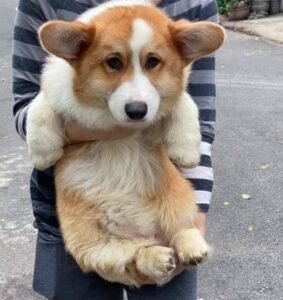
Weight management can be especially important for compact breeds such as French Bulldogs, English Bulldogs, and Pugs, as well as Corgis with their distinctive body structure.
Caring for Puppies During Different Stages
Early puppy stage
Focus on safety, veterinary care, nutrition, gentle handling, socialization, and establishing predictable routines.
Growing puppy stage
Training becomes increasingly important. Continue socialization, appropriate exercise, dental care, grooming, and positive reinforcement.
Adolescence
Dogs may become more independent and test boundaries. Consistent training and appropriate mental stimulation remain important.
Adulthood
Care shifts toward maintaining healthy weight, exercise, preventive veterinary care, dental health, grooming, and long-term wellbeing.
Recognizing Signs That Your Dog May Need Veterinary Attention
Owners should become familiar with their dog’s normal behavior so they can recognize changes.
Potential warning signs include:
- Difficulty breathing
- Sudden collapse
- Severe weakness
- Persistent vomiting
- Persistent diarrhea
- Loss of appetite
- Sudden behavioral changes
- Significant swelling
- Severe pain
- Difficulty walking
- Unusual discharge
- Repeated coughing
- Excessive scratching
- Seizures
- Heat-related symptoms
Emergency symptoms should receive prompt veterinary attention.
For brachycephalic breeds such as French Bulldogs, English Bulldogs, and Pugs, breathing problems and heat-related distress deserve particular caution.
Daily Dog Care Checklist
A simple daily routine can make responsible ownership easier.
Morning
Provide fresh water, feed the appropriate meal, allow bathroom time, and provide gentle activity.
Midday
Offer another bathroom opportunity, mental stimulation, age-appropriate activity, and rest.
Evening
Provide the evening meal according to the feeding plan, take your dog outside, provide interaction or training, and check the dog’s general condition.
Before bed
Make sure your dog has clean water, a safe sleeping area, and a comfortable environment.
A consistent routine can help puppies understand what to expect each day.

Special Considerations for Families With Children
French Bulldogs, English Bulldogs, Pugs, and Corgis can live successfully in family environments, but children should be taught how to interact respectfully with dogs.
Children should learn:
- Not to pull ears or tails
- Not to disturb a sleeping dog
- Not to take food away
- Not to climb on dogs
- Not to chase a frightened dog
- To approach calmly
- To ask an adult before interacting with an unfamiliar dog
Young children should always be supervised around dogs.
Even friendly dogs can react unexpectedly when frightened, startled, injured, or overwhelmed.
Building a Long-Term Relationship With Your Dog
Dog care is not only about preventing illness. It is also about building trust and understanding.
Spend time learning your dog’s individual personality. Some dogs enjoy cuddling, while others prefer having personal space. Some are highly active, while others are more relaxed.
Respect your dog’s communication signals.
Pay attention to body language such as posture, facial expression, tail position, ears, and changes in behavior.
Positive interactions build a stronger relationship and make training and everyday care easier.
Preparing for Travel
If you travel with your dog, preparation is essential.
Bring food, water, medications if prescribed, identification information, a leash, waste bags, familiar bedding, and appropriate travel equipment.
Never leave a dog alone inside a parked vehicle.
For puppies, frequent bathroom breaks may be necessary. Introduce car travel gradually if the puppy is inexperienced.
Conclusion
Caring for a French Bulldog, English Bulldog, Pug puppy, or Corgi puppy is a rewarding responsibility. Each breed has distinctive characteristics, but the fundamentals of responsible ownership remain similar: provide balanced nutrition, regular veterinary care, appropriate exercise, consistent training, grooming, socialization, mental stimulation, and a safe home.
Brachycephalic breeds such as French Bulldogs, English Bulldogs, and Pugs require particular attention to heat and breathing, while Corgis benefit from careful weight management and sensible activity that takes their unique body structure into consideration.
Responsible Dog Ownership With Loyal Paws USA
At Loyal Paws USA, educating prospective and current dog owners is an important part of responsible pet care. Understanding the needs of a breed before bringing a dog home can help families make informed decisions and prepare an appropriate environment.
Whether you are researching French Bulldogs, English Bulldogs, Pug puppies, or Corgi puppies, remember that every puppy is an individual.
A successful relationship with a dog requires commitment to nutrition, veterinary care, grooming, training, exercise, socialization, safety, and companionship.
The goal is not simply to have a dog in your home. It is to create an environment where your dog can grow, learn, and enjoy a healthy and fulfilling life.
