

A Complete Guide to French Bulldogs, English Bulldogs, Pug Puppies & Corgi Puppies
Choosing a dog is an exciting decision, but finding the right breed requires more than choosing a puppy because it looks adorable. Every breed has its own personality, exercise requirements, grooming needs, training style, health considerations, and lifestyle requirements. French Bulldog puppies, English Bulldog puppies, Pug puppies, Corgi puppies, best dog breeds for families, puppy care guide, how to care for a puppy, Bulldog puppy care, Corgi puppy guide, puppy training tips.
Among the breeds that attract families and companion-dog lovers in the United States are French Bulldogs, English Bulldogs, Pugs, and Corgis. These breeds have distinctive appearances and personalities, yet all can become wonderful companions when their needs are understood and properly addressed.
This dog guide provides an educational introduction to these four popular breeds. It covers their histories, physical characteristics, personalities, exercise needs, feeding, grooming, training, socialization, living requirements, and important considerations for prospective owners.
Whether you are researching French Bulldog puppies, English Bulldog puppies, Pug puppies, or Corgi puppies, understanding the responsibilities involved can help you prepare for life with a new canine companion.
Understanding the Importance of a Dog Guide
A dog guide is useful because owning a puppy involves considerably more than feeding and playing. Dogs depend on their owners for nutrition, veterinary care, exercise, training, socialization, companionship, and a safe living environment.
Before bringing a puppy home, prospective owners should consider several questions.
Do you have enough time to care for a dog every day? Can your household accommodate a growing puppy? Are you prepared for veterinary expenses? Can you provide appropriate food and exercise? Will the dog’s temperament fit your household?
Breed characteristics can provide useful general information, but individual dogs vary. Two puppies from the same breed can have different personalities and energy levels.
Responsible ownership therefore combines breed knowledge with attention to the individual dog’s behavior and needs.
French Bulldogs, English Bulldogs, Pugs, and Corgis are all relatively compact breeds, but they are not identical. Their differences are important when deciding which type of dog may fit a particular household.
French Bulldogs are compact companion dogs recognized for their distinctive bat-like ears, short muzzle, muscular body, and affectionate personalities.
Originally developed from small bulldog-type dogs, the breed became particularly associated with France and later gained popularity internationally.
Today, French Bulldogs are commonly kept as companion animals. Their relatively small size can make them suitable for many homes, including apartments, although their needs should still be carefully considered.
French Bulldog Puppies Appearance
French Bulldogs generally have a compact, muscular build. Their heads are broad, their ears are upright, and their coats are short and relatively easy to maintain.
They can occur in numerous recognized coat colors and patterns. However, prospective owners should be cautious about purchasing puppies based solely on unusual or heavily marketed colors. Health, responsible breeding, temperament, and appropriate veterinary care are more important considerations than appearance.
Their short facial structure is one of their defining characteristics, but it also means owners need to understand the breed’s potential respiratory and heat-related concerns.
French Bulldog Puppies Temperament
French Bulldogs are commonly described as affectionate, companion-oriented, playful, and adaptable.
Many enjoy spending substantial amounts of time with their owners. They can be entertaining and often form strong relationships with their families.
However, individual temperament varies. Early socialization can help puppies become comfortable around different people, environments, sounds, and appropriately introduced animals.
French Bulldogs can also be persistent. Training should therefore focus on consistency, patience, positive reinforcement, and short sessions.
Exercise Requirements
French Bulldogs generally do not require the same amount of strenuous exercise as highly athletic breeds.
Short walks and supervised play can provide useful physical and mental stimulation. Exercise should be adapted to the individual dog’s age, fitness, and health.
Heat deserves particular attention. Dogs with short muzzles can have difficulty regulating body temperature, particularly during hot or humid weather. Owners should avoid strenuous exercise during extreme heat and provide access to shade, water, and a cool environment.

Grooming a French Bulldog
The short coat is relatively straightforward to maintain. Regular brushing can help remove loose hair and keep the coat clean.
Owners should also pay attention to the dog’s facial folds. Depending on the individual dog, skin folds can collect moisture or debris, so appropriate cleaning and drying may be necessary.
Nails should be trimmed regularly, teeth should receive routine dental care, and ears should be checked periodically.
Training French Bulldog Puppies
Training should begin early.
Basic commands such as “sit,” “stay,” “come,” and “leave it” can help establish communication between owner and puppy.
Positive reinforcement is generally useful. Rewarding desired behavior with appropriate treats, praise, or play can make learning more engaging.
House training also requires consistency. Puppies have limited bladder control, so frequent opportunities to eliminate outdoors and immediate positive reinforcement can help establish good habits. French Bulldog puppies, English Bulldog puppies, Pug puppies, Corgi puppies, best dog breeds for families, puppy care guide, how to care for a puppy, Bulldog puppy care, Corgi puppy guide, puppy training tips.
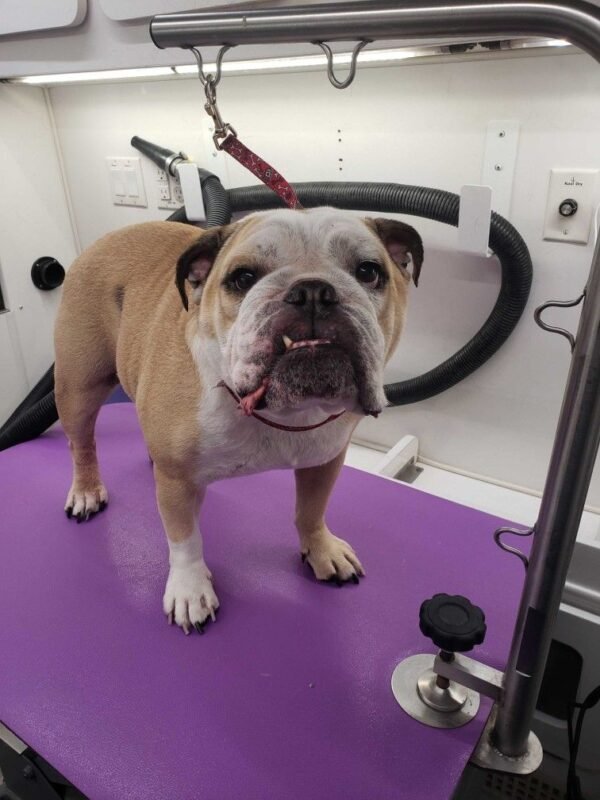
English Bulldogs, often simply called Bulldogs, are recognizable for their broad heads, muscular bodies, short muzzles, loose skin, and characteristic facial expression.
Despite their historical association with bull-baiting, modern Bulldogs are primarily companion animals.
Their appearance can make them look powerful, but many individual Bulldogs are affectionate and relatively relaxed household companions.
English Bulldog Puppies Personality
English Bulldogs are often known for their calm and affectionate nature.
Many enjoy relaxing with their families and may be less demanding of exercise than highly energetic breeds.
However, a relaxed temperament does not mean a Bulldog requires no activity. Regular, moderate movement helps support healthy weight and general fitness.
Owners should avoid excessive exertion, particularly in hot weather.
Caring for an English Bulldog
Bulldogs require attention to weight management, skin care, dental hygiene, and general fitness.
Because of their body structure, maintaining a healthy body weight is particularly important. Excess weight can place additional stress on the joints and may make breathing and movement more difficult.
Veterinary checkups are an important part of responsible Bulldog ownership. A veterinarian can help monitor the dog’s weight, skin, respiratory health, mobility, and other breed-relevant concerns.
Bulldog Skin Care
The folds around a Bulldog’s face and body require attention.
Moisture and debris can accumulate in skin folds, potentially contributing to irritation. Owners should follow veterinary guidance regarding cleaning products and techniques.
The objective is not simply to clean the folds but to keep them appropriately dry and monitor for changes such as redness, odor, swelling, or discomfort.
If a dog develops persistent skin problems, veterinary evaluation is appropriate. French Bulldog puppies, English Bulldog puppies, Pug puppies, Corgi puppies, best dog breeds for families, puppy care guide, how to care for a puppy, Bulldog puppy care, Corgi puppy guide, puppy training tips.
Exercise for English Bulldogs
English Bulldogs generally benefit from controlled daily activity rather than intense exercise.
Short walks, gentle games, and indoor activities can provide stimulation.
Weather conditions should always be considered. Bulldogs and other short-muzzled dogs may be particularly vulnerable to overheating.
Owners should watch for signs of heat stress and stop exercise if a dog appears distressed.
Feeding an English Bulldog
A balanced, age-appropriate diet is essential.
Puppies have different nutritional requirements from adult dogs, so food should be selected according to life stage and veterinary recommendations.
Portion control is particularly important because excess weight can negatively affect a Bulldog’s overall health.
Treats should be incorporated into the daily calorie intake rather than simply added on top of regular meals.
Pugs are small companion dogs known for their rounded heads, expressive eyes, curled tails, and distinctive short muzzles.
Their playful personalities and compact size have made them popular among households seeking a small companion dog.
Pug puppies are energetic and curious, but they also require careful attention to training, nutrition, socialization, and temperature management.
Pug Puppy Temperament
Pugs are often affectionate, sociable, playful, and people-oriented.
A young Pug may follow family members around the house and seek frequent interaction.
Because puppies are naturally curious, they need appropriate supervision. Household objects, electrical cords, small items, toxic substances, and other hazards should be kept out of reach.
Early socialization is valuable. Puppies can gradually be introduced to different people, safe environments, sounds, surfaces, and appropriately vaccinated dogs.
Pug Puppy Exercise
Puppies need age-appropriate activity rather than long, exhausting exercise sessions.
Short play sessions and brief walks can provide stimulation.
Because Pugs have short muzzles, owners should take heat and humidity seriously. Exercise during hot weather should be limited, and a cool indoor environment should always be available.
Signs of breathing difficulty, overheating, unusual weakness, or distress should be treated seriously.

Pug Grooming
Pugs have short coats, but they can shed considerably.
Regular brushing can help manage loose hair.
Facial folds should also be monitored and cared for appropriately. The eyes deserve attention because their prominent structure can make them more vulnerable to certain injuries and irritations.
Routine dental care is important as well.
Feeding Pug Puppies
Puppies need nutritionally appropriate food designed for growth.
Young puppies often require multiple meals throughout the day, with feeding frequency adjusted as they mature.
Rather than guessing portion sizes, owners should follow the food manufacturer’s guidance and their veterinarian’s recommendations while monitoring the puppy’s growth and body condition.
Fresh water should always be available.
French Bulldog puppies, English Bulldog puppies, Pug puppies, Corgi puppies, best dog breeds for families, puppy care guide, how to care for a puppy, Bulldog puppy care, Corgi puppy guide, puppy training tips
Corgis are small herding dogs recognized for their long bodies, short legs, upright ears, and energetic personalities.
Two commonly recognized Corgi breeds are the Pembroke Welsh Corgi and the Cardigan Welsh Corgi.
Although they are relatively small, Corgis were developed as working and herding dogs. Their size should therefore not be confused with low energy.
Corgi Personality
Corgis can be intelligent, alert, energetic, and highly engaged with their surroundings.
Their herding background means they may naturally pay close attention to movement and may attempt to control the movement of people or other animals.
Training provides an excellent opportunity to channel these instincts into appropriate behaviors.
Corgis can become bored if they receive insufficient mental stimulation. Puzzle toys, training exercises, scent games, and structured play can help keep them occupied.
Exercise Requirements
Compared with Bulldogs and Pugs, Corgis generally require more activity.
Daily walks combined with play and mental stimulation can be beneficial.
The precise amount of activity should depend on the dog’s age, fitness, health, and individual temperament.
Young puppies should not be forced into excessive repetitive exercise because their bodies are still developing.
Grooming a Corgi
Corgis have dense double coats and can shed significantly.
Regular brushing is useful for removing loose hair and keeping the coat in good condition.
Seasonal shedding may increase, requiring more frequent brushing.
Owners should also maintain regular nail trimming, dental care, and ear checks.
Corgi Puppy Training
Corgi puppies can be enthusiastic learners.
Basic obedience training should begin early and remain consistent.
Positive reinforcement can help teach behaviors such as sitting, coming when called, walking on a leash, and settling calmly.
Because Corgis can be intelligent and independent, owners may need to make training interesting rather than repetitive.

The most suitable breed depends on your household rather than simply which breed is most popular.
Apartment living, for example, does not automatically mean a particular breed is appropriate. Owners need to consider exercise opportunities, noise, access to outdoor spaces, climate, household schedules, and the dog’s individual needs.
Families should also consider children’s ages.
Young children should always be supervised around puppies and dogs. Children need to learn how to interact respectfully with animals, including avoiding rough handling, disturbing dogs while eating or sleeping, and pulling ears or tails.
Other pets are another consideration.
If you already have a dog or cat, introductions should be gradual and supervised. A puppy should not simply be placed into a household and expected to immediately adapt.
Comparing the Four Breeds
Although French Bulldogs, English Bulldogs, Pugs, and Corgis can all be companion dogs, they have different characteristics.
| Breed | General Size | Activity | Coat Care | Common Characteristics |
|---|---|---|---|---|
| French Bulldog | Small | Low to moderate | Low to moderate | Affectionate, playful, companion-oriented |
| English Bulldog | Medium | Low to moderate | Moderate | Relaxed, affectionate, determined |
| Pug | Small | Low to moderate | Moderate | Sociable, playful, affectionate |
| Corgi | Small/medium | Moderate to high | Moderate to high | Intelligent, energetic, alert |
This table provides general breed information rather than a prediction about an individual dog.
A puppy’s genetics, upbringing, socialization, training, environment, and health can all influence its behavior and development.
Training is one of the most important parts of raising a well-adjusted dog.
Start with simple behaviors and keep training sessions short.
House Training
Take puppies outside frequently, particularly after sleeping, eating, drinking, and playing.
When the puppy eliminates in the appropriate location, provide immediate positive reinforcement.
Accidents are normal during puppy development. Punishment can create fear and confusion rather than teaching the desired behavior.
Crate Training
When introduced appropriately, a crate can provide a safe resting area.
It should never be used as punishment.
The puppy should gradually develop positive associations with the crate through comfortable bedding, appropriate toys, and rewards.
Leash Training
Begin with allowing the puppy to become comfortable wearing a collar or harness.
Introduce the leash gradually indoors or in a safe area.
Reward calm walking rather than pulling.
Training should progress according to the puppy’s confidence and development.
Preparing Your Home for a New Puppy
Before bringing home a puppy, prepare a safe area.
Essential supplies can include:
- Appropriate puppy food
- Food and water bowls
- Comfortable bedding
- A suitable crate or safe resting area
- Collar and identification
- Properly fitted harness or leash
- Age-appropriate toys
- Grooming supplies
- Puppy-safe cleaning products
- Waste bags
- Veterinary records
Puppy-proofing the home is equally important.
Electrical cables should be secured, cleaning chemicals stored safely, medications kept inaccessible, and small objects removed from areas where a puppy can reach them.
Plants should also be checked for potential toxicity to dogs.
Socialization and Puppy Development
Socialization means helping a puppy learn how to respond appropriately to the world around it.
This can include controlled exposure to:
- Different people
- Household sounds
- Different surfaces
- Car journeys
- Grooming
- Veterinary handling
- Appropriate dogs
- New environments
The goal is not to overwhelm the puppy with constant stimulation.
Instead, experiences should be gradual, safe, and positive.
Veterinary guidance is particularly important regarding contact with unfamiliar dogs and public areas before a puppy has completed the vaccinations recommended for its circumstances.

Feeding and Nutrition
Nutrition plays a major role in puppy development.
French Bulldogs, English Bulldogs, Pugs, and Corgis all require nutritionally complete diets appropriate for their life stage.
Puppies should not simply be fed the same food or portions used for adult dogs.
Growth diets should provide appropriate levels of protein, fats, vitamins, minerals, and energy.
Overfeeding should be avoided.
Rapid or excessive weight gain can place unnecessary stress on a developing puppy’s body.
Always consult a veterinarian if you are uncertain about food selection, feeding amounts, growth, allergies, or digestive problems.
Veterinary Care and Preventive Health
Every puppy should have appropriate veterinary care.
A veterinarian can help establish a vaccination schedule, parasite-prevention plan, nutrition program, dental-care routine, and general health-monitoring schedule.
Regular examinations are useful because puppies grow rapidly.
Owners should also maintain records of vaccinations, medications, veterinary examinations, and other relevant health information.
Seek veterinary attention when a puppy shows concerning symptoms such as difficulty breathing, persistent vomiting or diarrhea, severe lethargy, collapse, significant injury, or other sudden changes in health.
Short-muzzled breeds deserve particular attention during hot weather because breathing and temperature regulation can become challenging.

Grooming and Hygiene
Grooming is more than keeping a dog looking attractive.
Regular grooming allows owners to become familiar with their dog’s normal condition and notice changes.
Basic grooming can include:
- Brushing
- Nail trimming
- Ear checks
- Dental care
- Bathing when necessary
- Coat inspection
- Skin-fold care where applicable
French Bulldogs, English Bulldogs, and Pugs require particular attention to facial folds.
Corgis generally require more coat maintenance because of their dense double coat.
Professional grooming may be useful for owners who need assistance, although basic grooming routines can also be taught at home.
Veterinary Care and Preventive Health
Every puppy should have appropriate veterinary care.
A veterinarian can help establish a vaccination schedule, parasite-prevention plan, nutrition program, dental-care routine, and general health-monitoring schedule.
Regular examinations are useful because puppies grow rapidly.
Owners should also maintain records of vaccinations, medications, veterinary examinations, and other relevant health information.
Seek veterinary attention when a puppy shows concerning symptoms such as difficulty breathing, persistent vomiting or diarrhea, severe lethargy, collapse, significant injury, or other sudden changes in health.
Short-muzzled breeds deserve particular attention during hot weather because breathing and temperature regulation can become challenging.
French Bulldog puppies, English Bulldog puppies, Pug puppies, Corgi puppies, best dog breeds for families, puppy care guide, how to care for a puppy, Bulldog puppy care, Corgi puppy guide, puppy training tips
Exercise, Play, and Mental Stimulation
Dogs need both physical activity and mental stimulation.
French Bulldogs, English Bulldogs, and Pugs may prefer shorter periods of activity, while Corgis often enjoy more energetic exercise.
However, every dog is an individual.
Mental activities can include:
- Basic obedience training
- Puzzle feeders
- Scent games
- Hide-and-seek
- Interactive toys
- Appropriate chewing activities
- Learning new commands
Mental stimulation is especially useful for intelligent breeds such as Corgis.
Play should always be age-appropriate and supervised when necessary.
Responsible Puppy Ownership
Owning a puppy is a long-term commitment.
Before purchasing or adopting a dog, prospective owners should research the breed and carefully consider where the puppy comes from.
Responsible sources should be transparent about the puppy’s background, health records, age, veterinary care, and living conditions.
Prospective owners should be cautious about sellers who pressure them to make immediate payments, refuse reasonable questions, cannot provide appropriate documentation, or make unrealistic health guarantees.
When purchasing a puppy, buyers should prioritize the puppy’s welfare rather than unusual colors, extremely low prices, or exaggerated marketing claims.
A responsible breeder or rescue organization should be willing to discuss the dog’s needs and provide relevant documentation.
French Bulldogs vs. English Bulldogs vs. Pugs vs. Corgis
Each of these breeds offers a different ownership experience.
French Bulldogs may appeal to people looking for a compact, affectionate companion with relatively modest exercise requirements.
English Bulldogs may appeal to households interested in a sturdy companion that often enjoys a more relaxed lifestyle.
Pugs are small, social companion dogs that can be playful and affectionate.
Corgis can be particularly appealing to people who want a small dog with a more active, alert, and mentally engaged personality.
None of these descriptions guarantees the temperament of an individual puppy.
Prospective owners should meet puppies when possible, ask appropriate questions, and consider the dog’s health and upbringing.
Frequently Asked Questions About These Dog Breeds
Are French Bulldogs good family dogs?
French Bulldogs can make affectionate companion animals, but suitability depends on the individual dog and household. Families should consider exercise, training, supervision around children, climate, veterinary needs, and the dog’s temperament.
Are English Bulldogs easy to care for?
English Bulldogs can have relatively modest exercise requirements, but they still need regular veterinary care, weight management, grooming, dental care, and careful monitoring in hot weather.
Are Pug puppies difficult to train?
Pug puppies can learn basic commands and household routines with consistent, reward-based training. Short, frequent sessions are generally more practical for young puppies than lengthy sessions.
Are Corgis high-energy dogs?
Corgis were developed as herding dogs and can be energetic and mentally active. They generally benefit from daily activity, training, and enrichment.
Which breed is smallest?
French Bulldogs and Pugs are generally smaller than English Bulldogs, while Corgis have a distinctive low-to-the-ground body but can be relatively substantial for their height. Individual size varies.
Do these breeds shed?
Yes. All dogs shed to some degree. Pugs and Corgis can be noticeable shedders, while French Bulldogs and English Bulldogs also shed despite their short coats.
Do Bulldogs need a lot of exercise?
Generally, Bulldogs do not require the same amount of exercise as highly athletic breeds. However, regular controlled activity is still important for fitness and weight management.
How early should puppy training begin?
Basic training can begin when a puppy arrives home. Early training should focus on simple behaviors, house routines, handling, socialization, and positive experiences.
Final Thoughts
French Bulldogs, English Bulldogs, Pug puppies, and Corgi puppies each have distinctive characteristics that can make them appealing companion animals.
However, choosing a puppy should involve more than appearance. Prospective owners should research breed characteristics, understand exercise and grooming requirements, prepare their homes, plan for veterinary care, and consider whether they can make a long-term commitment to the animal.
French Bulldogs and Pugs require particular attention to heat and breathing because of their short facial structures. English Bulldogs also require careful attention to weight, skin, breathing, and temperature. Corgis may require more exercise and mental stimulation because of their herding background.
Regardless of breed, puppies benefit from responsible nutrition, veterinary care, positive training, safe socialization, appropriate exercise, and consistent companionship.
A well-informed owner is better prepared to provide the environment a puppy needs to grow into a healthy and well-adjusted adult dog.
Whether you are researching French Bulldog puppies, English Bulldog puppies, Pug puppies, or Corgi puppies, the most important step is to understand the responsibilities that come with bringing a dog into your home.
A puppy is not simply a pet purchase. It is a long-term relationship that requires time, patience, financial planning, training, and care.
With thoughtful preparation and responsible ownership, families can create a safe and enriching environment for their canine companion.
