

Dog Toys
Dog toys are much more than simple objects that keep pets entertained. The right toy can provide exercise, mental stimulation, encourage healthy chewing habits, support training, reduce boredom, and strengthen the relationship between a dog and its family, dog toys, best dog toys, dog toys for French Bulldogs, English Bulldog toys, Pug puppy toys, Corgi puppy toys, interactive dog toys, durable dog chew toys, puppy toys, safe dog toys.
For breeds such as French Bulldogs, English Bulldogs, Pug puppies, and Corgi puppies, selecting appropriate toys is particularly important because these dogs have different physical characteristics, energy levels, chewing habits, and play preferences.
A toy that works perfectly for an energetic Corgi may not be the best choice for a young Pug puppy. Likewise, a very hard chew toy may not be suitable for every Bulldog. Understanding your dog’s age, size, temperament, chewing strength, and individual preferences can help you make safer and more useful choices.
At Loyal Paws USA, understanding the everyday needs of companion dogs is an important part of responsible pet ownership. Whether you are preparing your home for a new puppy or looking for ways to keep an adult dog active, having a variety of suitable toys can make daily life more enjoyable for both you and your pet.
This guide explains the major categories of dog toys, what to consider when choosing them, and how toy selection can differ between French Bulldogs, English Bulldogs, Pug puppies, and Corgi puppies.
Why Are Dog Toys Important?
Dogs naturally explore their environment through their mouths, noses, eyes, and bodies. Play allows them to investigate objects, practice natural behaviors, and interact with people.
Without sufficient stimulation, some dogs may become bored. Boredom can sometimes contribute to unwanted behaviors such as excessive chewing, digging, barking, jumping, or attempting to get attention.
Appropriate toys provide an outlet for natural behaviors.
Mental Stimulation
Puzzle toys, treat-dispensing toys, and interactive games can encourage dogs to think and solve simple problems.
For example, a dog may need to move, roll, push, or manipulate a toy to access a small amount of food. This turns snack time into a mental activity.
Mental stimulation can be especially useful for intelligent breeds such as Corgis, which were historically developed as working and herding dogs.
Physical Activity
Some toys encourage movement.
Balls, appropriately sized fetch toys, tug toys, and other interactive products can encourage a dog to walk, run, chase, or change direction.
However, physical activity should always be appropriate for the dog’s age, health, body structure, and environmental conditions.
Chewing
Chewing is a normal canine behavior. Puppies may chew more frequently as they explore their surroundings and experience teething.
Providing suitable chew toys can give puppies and adult dogs an appropriate object to investigate with their mouths.
The objective should not simply be to find the hardest toy possible. Instead, owners should look for toys that are appropriate for the dog’s size, age, chewing style, and dental needs.
Comfort
Some dogs enjoy carrying or sleeping beside soft toys. A familiar toy can become part of a dog’s daily routine.
Comfort toys may be particularly appealing to puppies adjusting to a new home.
Bonding
Many toys are most valuable when used together with an owner.
Playing fetch, practicing gentle tug, introducing puzzle games, or teaching a puppy to interact with a toy can strengthen communication between dog and owner.
Understanding Different Types of Dog Toys
The dog-toy market contains hundreds of products, but most toys can be grouped into several major categories.
Understanding these categories makes it easier to build a balanced toy collection.
Chew Toys
Chew toys are designed to give dogs an appropriate item to chew.
They come in different materials, shapes, textures, and sizes. Some are made from rubber-like materials, while others may use rope, nylon, or other materials.
When selecting a chew toy, consider your dog’s chewing strength.
A toy should not be so fragile that it breaks immediately, but it should also not be unnecessarily hard or unsuitable for the dog’s teeth.
Interactive Toys
Interactive toys are designed to involve the dog and, often, the owner.
Examples include tug toys, treat-dispensing toys, and toys that encourage chasing or retrieving.
Interactive play can be particularly useful for building communication and reinforcing training.
Puzzle Toys
Puzzle toys encourage dogs to work out how to access food or interact with different parts of the toy.
They can provide mental stimulation and make meals more engaging.
Start with simple puzzles for puppies and dogs unfamiliar with this type of activity. As the dog learns, more complicated challenges may be introduced.
Fetch Toys
Balls and other retrieving toys can encourage physical activity.
The most important consideration is size. A toy should be large enough to reduce the risk of accidental swallowing while still being comfortable for the dog to carry.
Fetch should also be played in an appropriate area where the dog can move safely.
Tug Toys
Tug toys can provide interactive exercise and an opportunity for dogs and owners to play together.
Owners should use gentle, controlled movements, especially with puppies. The toy should not be used to pull aggressively on a puppy’s body.
Teaching a puppy cues such as “drop” can also make tug games more structured and educational.
Plush and Comfort Toys
Soft toys can be enjoyable for dogs that like carrying, cuddling, or gently playing with objects.
However, plush toys require regular inspection. If a dog tears one open and begins removing stuffing, squeakers, fabric, or other components, the toy should be removed.
Treat-Dispensing Toys
These toys combine play with food.
A dog may need to roll, push, lick, or manipulate the toy before a small amount of food becomes available.
Treat-dispensing toys can be especially useful for dogs that enjoy food-based activities.
Owners should account for treats used in toys when considering the dog’s overall daily food intake.
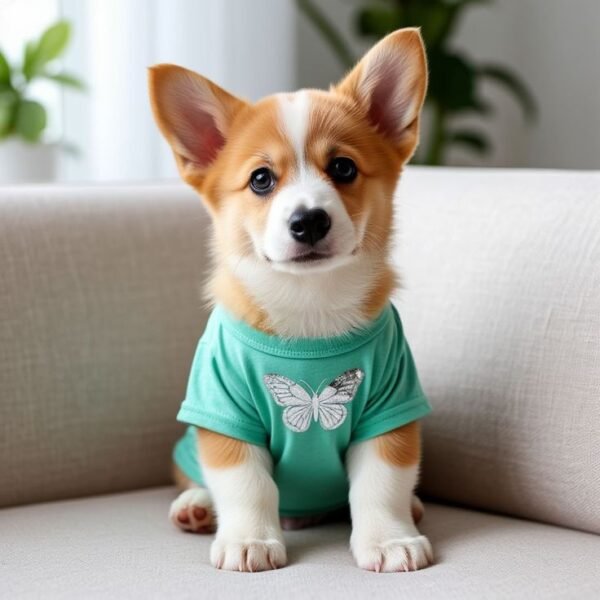
Choosing Dog Toys for French Bulldogs
French Bulldogs are compact companion dogs known for their distinctive appearance and affectionate personalities. Their physical structure should be considered when selecting toys. dog toys, best dog toys, dog toys for French Bulldogs, English Bulldog toys, Pug puppy toys, Corgi puppy toys, interactive dog toys, durable dog chew toys, puppy toys, safe dog toys.
Consider Toy Size
A toy should be appropriately sized for the individual dog.
Very small toys can present a swallowing or choking hazard, while oversized toys may be difficult for a compact dog to carry or manipulate.
Look for products specifically designed for the dog’s size range.
Consider Chewing Habits
Some French Bulldogs are enthusiastic chewers.
If your Frenchie enjoys chewing, provide appropriately designed chew toys and monitor them during use.
No toy should be considered completely indestructible. Even products marketed as durable can eventually become damaged.
Consider Shape
French Bulldogs have a compact facial structure. Toys that are easy to grasp and manipulate can be more practical than awkwardly shaped products.
Some dogs prefer toys with handles, ridges, grooves, or rounded surfaces that allow them to engage with the object without excessive effort.
Interactive Toys for Frenchies
French Bulldogs may enjoy interactive games with their owners.
Gentle tug games, food puzzles, and supervised indoor play can provide stimulation without requiring long periods of intense physical activity.
Owners should also consider temperature and environmental conditions when exercising dogs, particularly during warm weather.
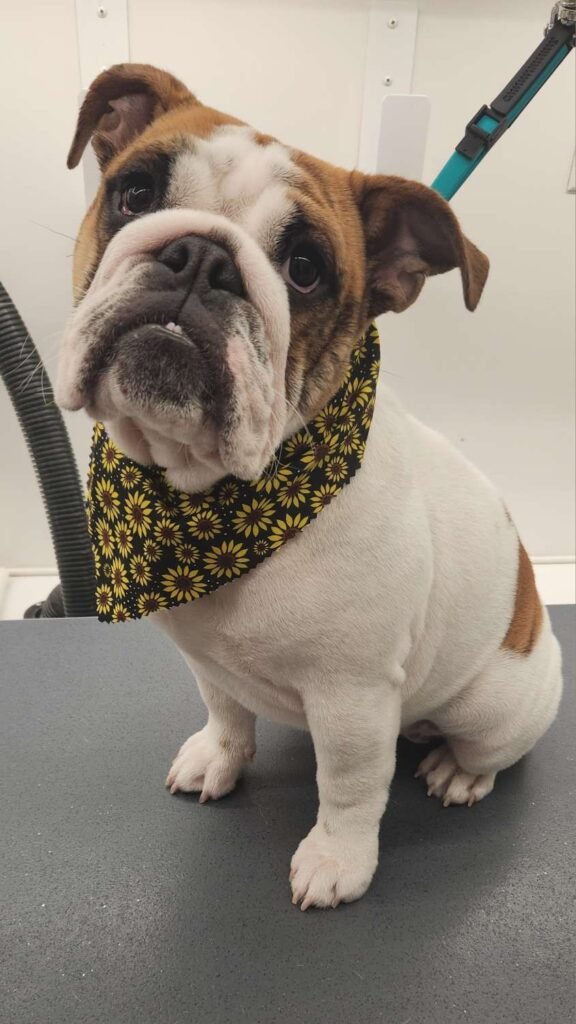
Choosing Toys for English Bulldogs
English Bulldogs have a distinctive stocky body shape and strong jaws. Their toy selection should take their individual chewing style and physical characteristics into account.
Durable Does Not Mean Indestructible
English Bulldogs can be powerful chewers.
Owners may therefore look for durable toys, but durability should not be confused with complete safety or indestructibility.
Any toy can eventually become damaged.
Inspect toys regularly for:
- Cracks
- Torn sections
- Loose pieces
- Missing parts
- Sharp edges
- Exposed internal materials
- Excessively worn surfaces
Replace damaged toys promptly.
Avoid Toys That Are Too Hard
A common mistake is assuming that the hardest possible toy is automatically the best choice for a powerful chewer.
Very hard materials may not be appropriate for every dog’s teeth.
Instead, choose toys designed for supervised chewing and follow the manufacturer’s guidance regarding size and intended use.
Food-Based Toys
Many Bulldogs enjoy food.
Treat-dispensing toys can turn a small food portion into an engaging activity. They can also be useful for slowing down dogs that eat too quickly, depending on the specific product and feeding routine.
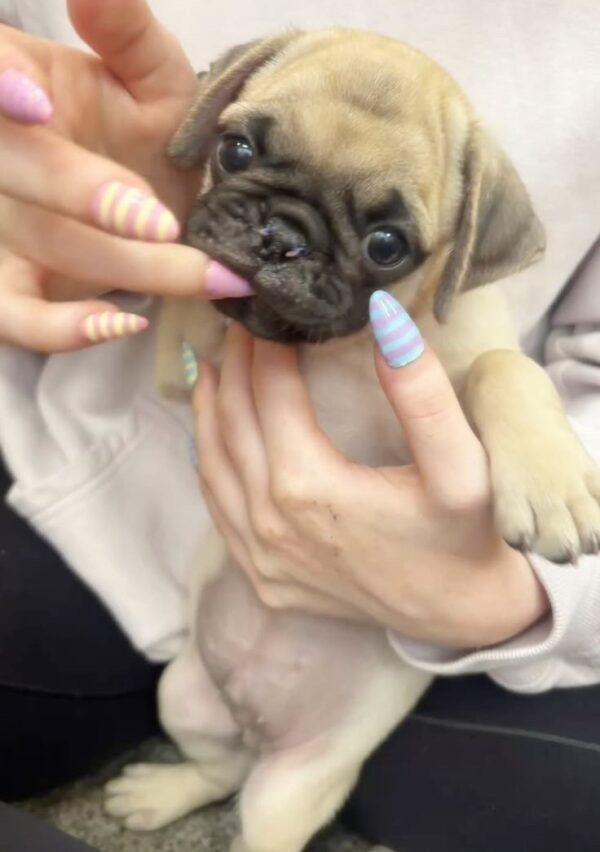
Best Toy Considerations for Pug Puppies
Pug puppies are small, playful companion dogs. Puppies generally need toys that match their developing bodies and mouths.
Puppy-Sized Toys
A puppy’s toy should be appropriately sized.
Avoid giving a small puppy a toy designed for a much larger dog simply because it appears durable.
The toy should be easy for the puppy to interact with without becoming a potential swallowing hazard.
Teething Toys
Young puppies naturally explore objects by chewing.
During the teething period, appropriately designed puppy chew toys can give them something suitable to chew.
Always supervise new toys initially to see how your puppy interacts with them.
Soft Toys
Some Pug puppies enjoy carrying soft toys.
Choose products appropriate for puppies and inspect them frequently.
If your puppy begins tearing the toy apart, remove it.
Puzzle Toys
Simple food puzzles can introduce puppies to problem-solving.
Start with easy activities. A puppy that becomes frustrated may lose interest, while a puzzle that is too easy may not provide enough stimulation.
The goal is to make learning enjoyable.
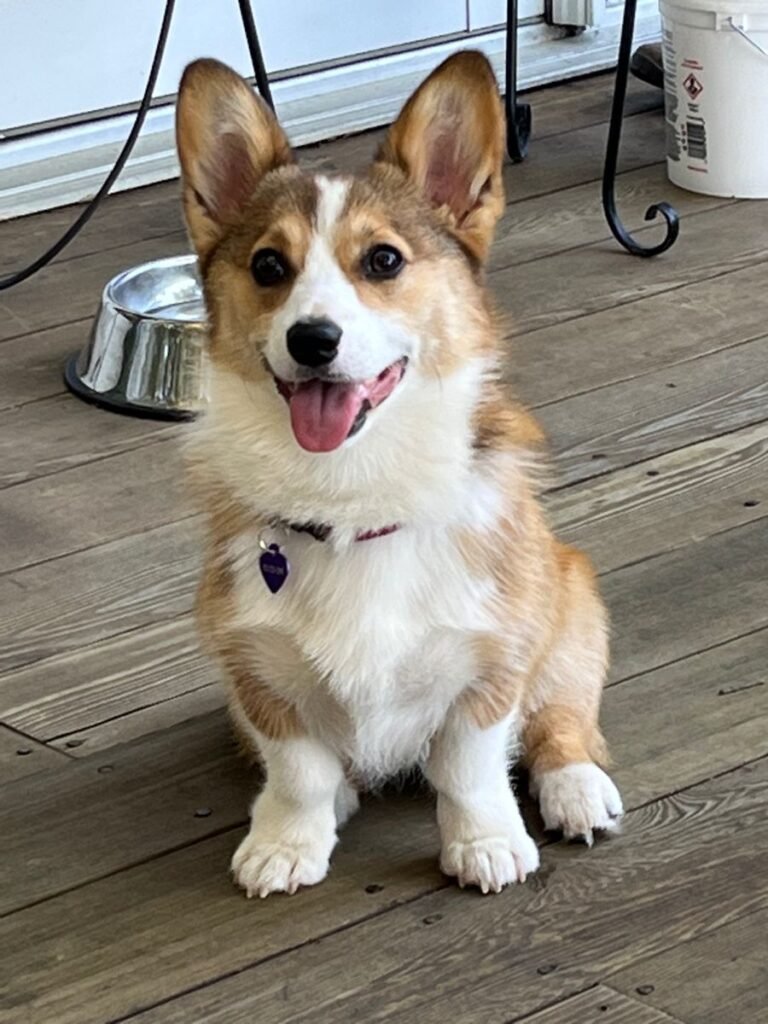
Choosing Toys for Corgi Puppies
Corgi puppies are often energetic, curious, and highly interested in interacting with their environment.
Because Corgis were historically associated with herding work, many individuals enjoy activities involving movement, problem-solving, chasing, retrieving, and interaction.
Interactive Toys
Interactive toys can help channel a Corgi puppy’s curiosity.
Games involving retrieving, searching, or working for treats can provide both physical and mental stimulation.
Puzzle Toys
Corgi puppies may enjoy food puzzles and interactive feeders.
Begin with simple challenges and increase difficulty gradually.
Training Toys
Toys can also become training tools.
For example, an owner can use a favorite toy as a reward during basic obedience exercises.
Training can teach useful behaviors such as:
- Sit
- Stay
- Come
- Leave it
- Drop it
- Wait
Training sessions should be short, positive, and appropriate for the puppy’s age.
Avoid Excessive Impact
Although Corgi puppies can be energetic, owners should avoid turning play into excessive jumping or high-impact activity.
Puppies are still developing physically, so their exercise should be age-appropriate.
Dog Toys for Puppies vs. Adult Dogs
Age is one of the most important factors in toy selection.
A puppy’s mouth, teeth, coordination, and chewing habits differ from those of an adult dog.
Puppy Toys
Puppy toys should generally be:
- Appropriately sized
- Easy to carry
- Suitable for developing teeth
- Easy to clean
- Designed for supervised play
- Free from easily detachable parts
Puppies should also have variety.
A combination of chew toys, soft toys, interactive toys, and simple puzzle toys can prevent their play environment from becoming repetitive.
Adult Dog Toys
Adult dogs can often handle a broader range of toys, depending on their size and individual behavior.
However, age alone does not determine suitability.
An adult dog that aggressively destroys toys may require different products from an adult dog that gently carries plush toys.
dog toys, best dog toys, dog toys for French Bulldogs, English Bulldog toys, Pug puppy toys, Corgi puppy toys, interactive dog toys, durable dog chew toys, puppy toys, safe dog toys
How to Build a Balanced Toy Collection
You do not need dozens of toys to keep a dog entertained.
A small collection with different purposes may be more useful.
A balanced collection might include:
1. A Chew Toy
Useful for dogs that naturally enjoy chewing.
2. An Interactive Toy
Useful for owner-and-dog play.
3. A Puzzle Toy
Useful for mental stimulation.
4. A Fetch Toy
Useful for appropriate physical activity.
5. A Comfort Toy
Useful for dogs that enjoy soft objects.
6. A Food-Dispensing Toy
Useful for turning feeding into an interactive experience.
Rotating toys can also help maintain novelty.
Instead of leaving every toy available all day, owners can keep several options accessible and rotate others periodically.
This can make familiar toys feel more interesting without constantly purchasing new products.
Safety Tips When Choosing Dog Toys
Safety should always be more important than appearance.
A brightly colored toy may look attractive, but the most important question is whether it is appropriate for your dog.
Choose the Correct Size
The toy should be appropriate for your dog’s mouth and body size.
A toy that is too small may become dangerous if swallowed.
Inspect Toys Regularly
Check toys frequently.
Look for:
- Tears
- Holes
- Broken sections
- Loose strings
- Missing pieces
- Damaged squeakers
- Sharp edges
- Excessive wear
Damaged toys should be discarded or replaced.
Supervise New Toys
When introducing a new toy, observe your dog.
Two dogs of the same breed can interact with the same product very differently.
One dog may gently carry it, while another may immediately attempt to destroy it.
Follow Manufacturer Instructions
Read the product instructions and recommended size information.
If a toy is designed for supervised play, do not assume it is suitable for unsupervised use.
Be Careful With Strings and Ropes
Rope toys can be useful for interactive play, but loose strands may become a problem if swallowed.
Inspect rope toys regularly and remove them when they become significantly frayed.
Dog Toys and Mental Stimulation
Physical exercise is only one part of a dog’s daily routine.
Mental stimulation is also important.
Dogs use their senses and brains when they search, investigate, solve problems, and interact with their owners.
Puzzle toys can provide a simple way to introduce this type of activity.
For example, you can place a small portion of your dog’s regular food into an appropriate puzzle feeder and allow the dog to work toward accessing it.
Always monitor the dog during initial use.
Some dogs quickly understand puzzle toys, while others need guidance.
The activity should remain enjoyable rather than frustrating.
Using Toys for Training
Toys can become valuable training rewards.
Suppose your Corgi puppy enjoys a particular ball. You can use short play sessions as a reward after the puppy performs a desired behavior.
Likewise, a French Bulldog may enjoy a gentle tug toy as a reward during training.
Pug puppies can be introduced to simple toy-based games that teach them to respond to their owner’s cues.
Bulldogs may also enjoy short, structured interactive games.
The important principle is consistency.
Reward desired behaviors and avoid using toys in ways that encourage dangerous or unwanted behavior. dog toys, best dog toys, dog toys for French Bulldogs, English Bulldog toys, Pug puppy toys, Corgi puppy toys, interactive dog toys, durable dog chew toys, puppy toys, safe dog toys.
Toy Rotation: A Simple Way to Prevent Boredom
If every toy is available constantly, some dogs may lose interest.
Toy rotation can help.
For example, an owner could keep several toys accessible and store others safely. After a few days, the available toys can be changed.
The rotation might look like:
Day 1: Chew toy + plush toy + puzzle toy
Day 2: Fetch toy + chew toy + interactive toy
Day 3: Puzzle toy + comfort toy + tug toy
This does not need to be a strict schedule.
The purpose is simply to provide variety.
Owners should always prioritize the dog’s individual preferences. If a particular toy is a favorite, there is no reason to remove it simply to follow a rotation schedule.
Cleaning and Maintaining Dog Toys
Dog toys can accumulate saliva, food residue, dirt, and bacteria.
Cleaning frequency depends on the material and how the toy is used.
Food-related toys may need frequent cleaning because leftover food can remain inside them.
Wash toys according to the manufacturer’s instructions.
For washable toys:
- Remove visible debris.
- Wash using the recommended method.
- Rinse thoroughly when applicable.
- Allow the toy to dry completely.
- Inspect it before returning it to the dog.
Do not continue using toys simply because they can technically be cleaned. If the material has become damaged or unsafe, replace the toy.
Common Mistakes Dog Owners Make With Toys
Even experienced dog owners can make mistakes when choosing toys.
Buying Only Based on Appearance
A toy may look attractive but may not suit your dog’s chewing style.
Choose function and safety over appearance.
Choosing the Wrong Size
Small toys can be problematic for large dogs, while large toys may be difficult for small puppies.
Always consider the individual dog’s size.
Assuming “Indestructible” Means Permanent
No toy should be assumed to last forever.
Regular inspection remains important.
Giving Puppies Adult Toys
Adult products may not always be appropriate for young puppies.
Select toys according to age and intended use.
Leaving Damaged Toys Available
Once a toy becomes damaged, continuing to use it can increase the risk of pieces breaking off.
Replace it when necessary.
Providing Too Many Toys at Once
More toys do not automatically mean more enrichment.
A smaller collection of varied, appropriate toys can be highly effective.
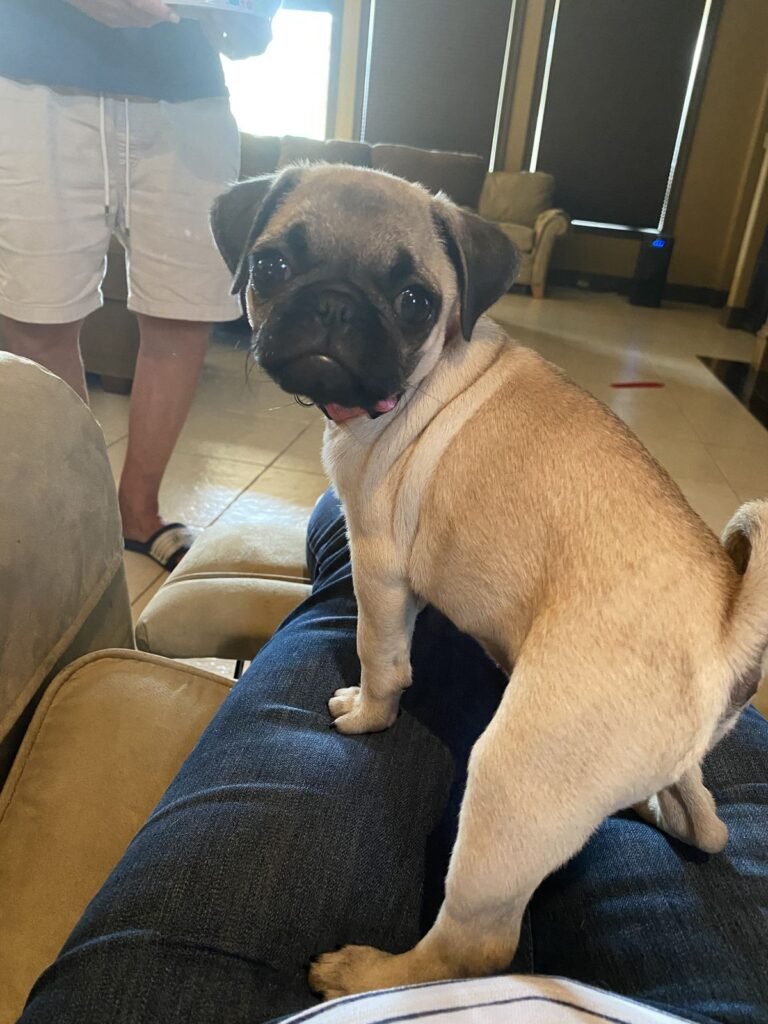
How to Choose the Right Toy for Your Dog
When shopping for a new toy, ask yourself several questions.
How Old Is My Dog?
A young puppy may require different toys from an adult.
How Large Is My Dog?
Choose an appropriate size for the dog’s mouth and body.
Is My Dog a Strong Chewer?
If yes, consider toys designed for appropriate chewing while still inspecting them regularly.
Does My Dog Like Food?
If your dog is highly food-motivated, puzzle and treat-dispensing toys may be useful.
Does My Dog Enjoy Fetch?
If so, an appropriately sized retrieving toy could become part of the dog’s exercise routine.
Does My Dog Prefer Soft Toys?
If yes, provide suitable plush or comfort toys while monitoring for destructive chewing.
Does My Dog Like Interactive Play?
Tug toys and other owner-controlled games may be appropriate.
The best toy is ultimately the one that matches the individual dog.
Dog Toys and Responsible Pet Ownership
Providing appropriate toys is only one component of responsible dog ownership.
French Bulldogs, English Bulldogs, Pug puppies, and Corgi puppies also need:
- Appropriate nutrition
- Fresh drinking water
- Regular veterinary care
- Grooming
- Training
- Socialization
- Safe housing
- Appropriate exercise
- Human companionship
- Rest and sleep
Toys should complement these needs rather than replace them.
A puzzle toy cannot replace human interaction. A chew toy cannot replace appropriate exercise. A plush toy cannot replace training or socialization.
The healthiest approach is to combine toys with a balanced daily routine.
French Bulldog, English Bulldog, Pug and Corgi Toy Comparison
Although every dog is different, breed characteristics can provide a starting point when choosing toys.
| Breed | Toys to Consider | Important Considerations |
|---|---|---|
| French Bulldog | Chew toys, puzzle toys, soft toys, interactive toys | Appropriate size, supervised chewing, avoid excessive exertion |
| English Bulldog | Durable chew toys, food puzzles, interactive toys | Strong chewing habits, inspect toys regularly |
| Pug Puppy | Puppy chew toys, soft toys, simple puzzles | Puppy-safe sizing, developing teeth, supervision |
| Corgi Puppy | Puzzle toys, fetch toys, chew toys, interactive toys | Mental stimulation, age-appropriate activity, correct sizing |
This table is a general guide rather than a fixed rule. Individual dogs can have very different personalities and preferences.
Creating a Daily Toy Routine
A simple routine can help dogs receive a mixture of mental and physical stimulation.
For example, a morning routine might include a short training session followed by interactive play.
During the afternoon, a puppy might receive a supervised chew toy.
In the evening, an owner could introduce a puzzle feeder or a gentle game.
A possible routine could include:
Morning: Training + interactive toy
Afternoon: Chew toy + rest
Evening: Puzzle toy + supervised play
Bedtime: Appropriate comfort toy
The exact schedule should depend on the dog’s age, energy level, individual needs, and household routine. dog toys, best dog toys, dog toys for French Bulldogs, English Bulldog toys, Pug puppy toys, Corgi puppy toys, interactive dog toys, durable dog chew toys, puppy toys, safe dog toys.
Dog Toys for New Puppy Owners
Bringing home a puppy is exciting, but preparation is important.
Before bringing home a French Bulldog, English Bulldog, Pug puppy, or Corgi puppy, owners can prepare a safe play area with several appropriate toys.
A basic puppy toy collection might include:
- Two puppy-appropriate chew toys
- One soft toy
- One interactive toy
- One simple puzzle feeder
- One appropriately sized ball
- One washable comfort toy
It is better to start with a few suitable options and learn what the puppy likes than to purchase a large number of toys immediately.
As the puppy grows, owners can adjust toy sizes and types accordingly.
Final Thoughts: Finding the Right Dog Toys
Dog toys are an important part of a healthy and enjoyable home environment.
For French Bulldogs, owners can look for appropriately sized chew toys, interactive games, and mentally stimulating activities while being mindful of their physical characteristics.
For English Bulldogs, durable but suitable toys can help satisfy natural chewing behavior, while food puzzles and gentle interactive games can provide additional enrichment.
For Pug puppies, puppy-sized chew toys, soft toys, and simple puzzles can support exploration and play during their early development.
For Corgi puppies, interactive games, puzzle toys, retrieving activities, and training-based play can help channel their curiosity and energy.
Regardless of breed, safety should remain the priority. Check toys regularly, supervise dogs with new products, select appropriate sizes, follow manufacturer recommendations, and replace damaged toys.
Most importantly, remember that toys work best when they are part of a larger approach to responsible dog ownership. Dogs need affection, training, nutrition, exercise, socialization, veterinary care, rest, and companionship alongside play.
At Loyal Paws USA, helping families understand the needs of their dogs is an important part of responsible pet ownership. Whether you are preparing for a French Bulldog, English Bulldog, Pug puppy, Corgi puppy, or another companion dog, choosing suitable toys can help create a stimulating, enjoyable, and comfortable environment.
The perfect toy does not have to be the most expensive or complicated product. It simply needs to be safe, appropriate, engaging, and suitable for your individual dog.
With the right combination of toys, supervision, training, and interaction, playtime can become much more than entertainment—it can be an opportunity for learning, exercise, enrichment, and strengthening the bond between dogs and the people who care for them.
