

Dog Treats
Dog treats can be a valuable part of responsible pet ownership. Used correctly, treats can help with training, strengthen the bond between dogs and their families, provide mental enrichment, and make everyday routines more enjoyable. However, not every treat is appropriate for every dog. Breed, age, size, activity level, allergies, dental health, and overall diet should all be considered when choosing treats, Dog treats, Best dog treats, Healthy dog treats, French Bulldog treats, English Bulldog treats, Pug puppy treats, Corgi puppy treats, Puppy training treats, Natural dog treats, Dog treats for puppies.
For families raising French Bulldogs, English Bulldogs, Pug puppies, or Corgi puppies, selecting appropriate treats deserves particular attention. These breeds can have different nutritional needs and may be prone to weight gain, digestive sensitivities, or other breed-associated concerns. Puppies also have different requirements from adult dogs because they are still growing and developing.
This guide explains what dog treats are, how to choose them, how many treats dogs should receive, which ingredients to look for, common mistakes to avoid, and how to use treats effectively during training and enrichment.
Whether you are preparing for a new puppy or looking for better snack options for an adult dog, understanding treats can help you make more informed choices.
What Are Dog Treats?
Dog treats are foods or snacks specifically given to dogs in addition to their regular meals. They come in many forms, including soft training treats, crunchy biscuits, dental chews, freeze-dried meat, dehydrated foods, and specially formulated puppy treats.
Treats are not intended to replace a complete and balanced diet. Instead, they should complement the dog’s normal food.
Different treats can serve different purposes.
Training Treats
Small, soft treats are commonly used during obedience and puppy training. Because they can be consumed quickly, they are convenient for rewarding behaviors such as:
- Sitting
- Staying
- Coming when called
- Walking politely
- Dropping objects
- Going to a designated area
- Responding to their name
For puppies, particularly Pug and Corgi puppies, training treats can make learning more engaging.
Dental Treats
Dental chews are designed to encourage chewing and may help reduce some plaque and tartar when used appropriately. However, dental treats should not be considered a replacement for regular veterinary dental care or tooth brushing.
Enrichment Treats
Treats can also be incorporated into puzzle toys, slow-feeding devices, and interactive games. This encourages dogs to use their natural problem-solving abilities.
Occasional Treats
Some treats are simply given as an occasional reward. These can be useful for positive reinforcement and bonding as long as they fit into the dog’s overall nutritional plan.
Why Are Treats Important for Dogs?
Treats are not nutritionally necessary when a dog is already eating a complete and balanced diet, but they can have practical benefits.
One of the biggest benefits is positive reinforcement.
When a dog performs a desirable behavior and immediately receives an appropriate reward, the dog is more likely to repeat that behavior. This makes treats particularly useful during puppy training.
Treats can also help create positive associations.
For example, a puppy that is nervous about entering a crate may become more comfortable if appropriate treats are used to create a positive experience. Similarly, rewards can help puppies associate grooming, handling, car rides, and other experiences with something pleasant.
Treats can also provide enrichment. Searching for small pieces of food, working with a puzzle toy, or practicing commands requires mental effort.
However, treats should be used thoughtfully. Giving excessive amounts can contribute to excessive calorie intake and unwanted weight gain.
This is particularly important for compact breeds such as French Bulldogs, English Bulldogs, and Pugs.

Choosing Treats for French Bulldogs
French Bulldogs are compact companion dogs known for their affectionate personalities and distinctive appearance. When selecting treats for a French Bulldog, owners should pay attention to calories, ingredients, size, texture, and digestibility.
Because French Bulldogs are relatively small and often have a strong appetite, large or calorie-dense treats can add significant calories to the daily diet.
Small Treats Are Often Practical
Training rewards do not need to be large.
A tiny treat can be enough to reinforce a behavior. For frequent training sessions, choosing small treats can make it easier to reward your dog without adding excessive calories.
Some owners also break larger treats into smaller pieces.
Consider Digestibility
Some dogs have sensitive digestive systems. If a French Bulldog develops vomiting, diarrhea, excessive gas, itching, or other unusual symptoms after eating a new treat, discontinue the product and consult a veterinarian if symptoms persist or are concerning.
Introduce new treats gradually rather than changing several foods at once. This makes it easier to identify what may be causing a reaction.
Avoid Excessive Calories
French Bulldogs may be enthusiastic about food, but enthusiasm does not mean unlimited snacks.
Treat calories should be considered as part of the dog’s total daily intake. If you use many treats during training, reduce the amount of the dog’s regular food appropriately with guidance from your veterinarian.
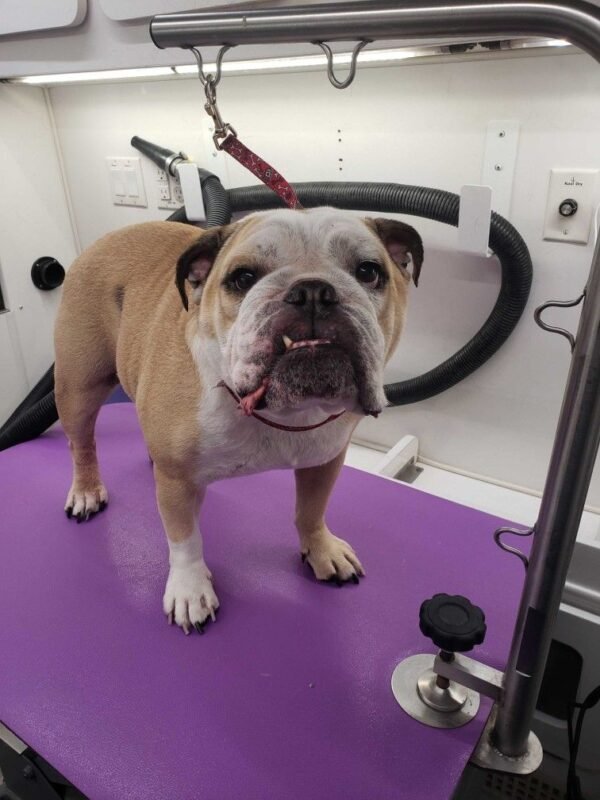
Treats for English Bulldogs
English Bulldogs are sturdy, muscular companion dogs with relatively low-to-moderate exercise needs compared with many highly athletic breeds. Their body condition should be monitored carefully.
Treat selection for an English Bulldog should therefore focus on moderation.
Choose Appropriately Sized Treats
Large biscuits can contain more calories than expected. For training, small treats are usually more convenient.
For chewing treats, always select a product appropriate for the dog’s size and chewing habits.
Watch Weight and Body Condition
Weight management is an important part of responsible dog care. Excess body weight can place additional stress on a dog’s joints and may affect mobility and overall quality of life.
Instead of automatically giving treats throughout the day, establish a daily treat allowance.
For example, you can portion the day’s treats into a small container in the morning. Once that portion has been used, avoid adding more without adjusting the dog’s overall diet.
Use Treats for Mental Enrichment
English Bulldogs may enjoy food-based enrichment activities that do not require intense physical exercise.
A veterinarian-approved puzzle feeder or food toy can provide mental stimulation while slowing down eating.
Dog Treats for Pug Puppies
Pug puppies are small, curious, food-motivated dogs that can be highly responsive to positive reinforcement.
Training should begin early, using short and positive sessions.
Because Pug puppies are small, even apparently tiny treats can contribute meaningful calories when repeated many times.
Use Tiny Training Rewards
During puppy training, use very small treats.
The goal is to reward the behavior rather than provide a large snack.
You can also consider using a portion of the puppy’s normal food as training rewards, provided the food is appropriate and your veterinarian agrees that this fits the puppy’s nutritional needs.
Treats and Puppy Development
Puppies are growing rapidly and need appropriate nutrition. Treats should never displace a significant portion of their complete puppy diet.
When purchasing treats for a Pug puppy, look for products labeled appropriately for puppies and check feeding guidance.
Avoid giving puppies treats designed for large adult dogs simply because they are available in the household.
Introduce New Treats Slowly
Puppies can have sensitive digestive systems.
Introduce one new treat at a time and observe how the puppy responds. If digestive problems occur, stop the new treat and speak with your veterinarian when necessary.
Dog treats, Best dog treats, Healthy dog treats, French Bulldog treats, English Bulldog treats, Pug puppy treats, Corgi puppy treats, Puppy training treats, Natural dog treats, Dog treats for puppies
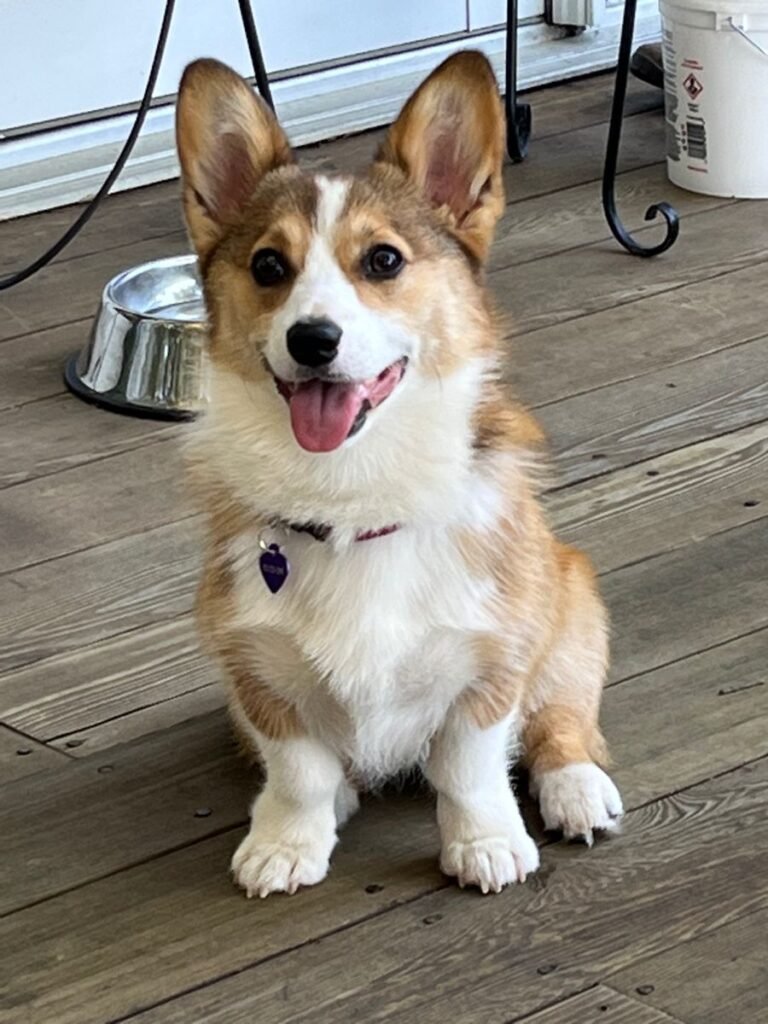
Dog Treats for Corgi Puppies
Corgi puppies are energetic, intelligent, and often enthusiastic about food. Treats can be especially useful during obedience training, socialization, and behavior development.
Because Corgis can be highly food-motivated, food rewards can become an effective training tool.
Reward Good Behavior
Corgi puppies can learn behaviors such as:
- Sit
- Down
- Stay
- Come
- Leave it
- Wait
- Drop it
- Loose-leash walking
Use treats immediately after the desired behavior.
The reward should be small enough that you can repeat the exercise several times without providing excessive calories.
Avoid Overfeeding
A Corgi puppy may happily accept treat after treat, but owners should not interpret begging as a nutritional requirement.
Keeping a consistent feeding schedule and measuring food portions can help prevent accidental overfeeding.
What Ingredients Should You Look for in Dog Treats?
Reading the ingredient label is one of the most useful habits a dog owner can develop.
Ingredients are generally listed in descending order by weight. Depending on the product, you may see ingredients such as meat, fish, grains, vegetables, fruits, starches, oils, or other components.
A good treat should fit your dog’s dietary needs and be appropriate for its age and size.
Protein Sources
Many dog treats contain animal-based proteins such as:
- Chicken
- Turkey
- Beef
- Lamb
- Fish
- Salmon
Some dogs may have food sensitivities, so the protein source matters.
If your dog has a known food allergy, follow your veterinarian’s dietary recommendations rather than selecting treats based solely on marketing claims.
Limited-Ingredient Treats
Limited-ingredient treats can be useful when owners need to keep dietary ingredients relatively simple.
However, “limited ingredient” does not automatically mean healthier. The nutritional suitability of the complete product still matters.
Calorie Information
Calories are particularly important for smaller breeds.
A treat containing several dozen calories may seem small, but repeated rewards can add up quickly.
Choose treats that allow you to reward your dog without consuming a large percentage of its daily calorie needs.
Ingredients and Foods to Avoid
Some human foods are dangerous or toxic to dogs.
Owners should avoid giving dogs foods containing ingredients such as:
- Chocolate
- Xylitol or other toxic sweeteners
- Grapes
- Raisins
- Onions
- Garlic
- Macadamia nuts
- Alcohol
- Excessively salty foods
This list is not exhaustive.
A food that is safe for humans is not necessarily safe for dogs. If you are uncertain about an ingredient, check with a veterinarian before offering it.
For commercially prepared treats, always read the label.
Soft Treats vs. Crunchy Treats
Dog treats come in different textures, and each type can have practical advantages.
Soft Treats
Soft treats are often useful for training because dogs can chew and swallow them quickly.
They are especially convenient when teaching puppies new behaviors.
Crunchy Treats
Crunchy biscuits may provide a different texture and can be useful as occasional rewards.
However, owners should not assume that every crunchy treat automatically improves dental health.
Chews
Chews can provide an opportunity for dogs to engage in natural chewing behavior.
The appropriate chew depends on the dog’s age, size, chewing style, and dental health.
Always supervise your dog when introducing a new chew, especially if the product presents a choking or obstruction risk.

How Many Treats Should a Dog Have?
There is no single number that applies to every dog.
Treat requirements depend on:
- Age
- Weight
- Activity level
- Existing health conditions
- Main diet
- Treat calorie content
- Training frequency
A commonly used veterinary nutrition guideline is that treats and other foods outside the primary complete diet should generally make up no more than about 10% of a dog’s daily calorie intake.
The remaining calories should come from a nutritionally complete and balanced diet.
However, individual dogs may have different needs. Puppies, dogs with medical conditions, and dogs on therapeutic diets may require more specific guidance from a veterinarian. Dog treats, Best dog treats, Healthy dog treats, French Bulldog treats, English Bulldog treats, Pug puppy treats, Corgi puppy treats, Puppy training treats, Natural dog treats, Dog treats for puppies.
How to Use Treats for Puppy Training
Treats are most effective when they are connected directly to desirable behavior.
Step 1: Choose a Quiet Environment
Start training in an environment with minimal distractions.
Step 2: Show the Puppy the Reward
Allow the puppy to notice that you have a reward without turning the session into a game of grabbing.
Step 3: Ask for a Simple Behavior
Start with something easy, such as responding to its name or sitting.
Step 4: Reward Immediately
Give the treat immediately after the correct behavior.
Timing matters.
Step 5: Repeat Briefly
Puppies have limited attention spans. Several short sessions can be more productive than one long session.
Step 6: Gradually Reduce Food Rewards
As the behavior becomes reliable, you can gradually vary the rewards and use praise, toys, play, or other appropriate reinforcers.
Treats are a training tool, not necessarily a permanent requirement for every behavior.
Treats and Dental Health
Dental health is an important component of overall dog care.
Some treats and dental chews are designed to support oral hygiene, but they should not replace regular brushing or professional veterinary dental care.
A consistent dental routine may include:
- Regular tooth brushing
- Veterinary dental examinations
- Appropriate dental products
- Monitoring for bad breath
- Checking for visible tartar
- Watching for changes in chewing or eating
If your dog experiences bleeding gums, difficulty eating, excessive drooling, loose teeth, or significant mouth discomfort, consult a veterinarian.
Homemade Dog Treats
Some owners enjoy preparing homemade treats.
Simple ingredients can be used to create occasional snacks, but homemade does not automatically mean nutritionally complete or safer.
Potential ingredients sometimes used in homemade dog treats include plain cooked meats, certain vegetables, pumpkin, oats, or other dog-safe foods.
Avoid toxic ingredients and unnecessary salt, sugar, spices, butter, and sweeteners.
If your dog has allergies, a medical condition, or a prescribed diet, consult your veterinarian before introducing homemade treats.
Dog Treats and Food Allergies
Food allergies can cause symptoms such as itching, skin problems, gastrointestinal issues, or recurrent ear problems in some dogs.
However, many symptoms have causes unrelated to food allergies.
If you suspect a food allergy, do not randomly eliminate multiple foods. A veterinarian can help determine whether a structured elimination diet or other diagnostic approach is appropriate.
For dogs with diagnosed dietary sensitivities, treats must be compatible with the recommended diet.
This is particularly important because owners may carefully follow a restricted main diet while unintentionally giving incompatible treats.
Treats for Puppies vs. Adult Dogs
Puppies and adult dogs should not automatically receive the same treats.
Puppies are still developing and require food appropriate for growth. Their treats should be age-appropriate and small enough for their mouths.
French Bulldog, English Bulldog, Pug, and Corgi puppies also have different body sizes and feeding needs.
When selecting puppy treats, check:
- Recommended age
- Treat size
- Calories
- Ingredients
- Feeding instructions
- Texture
- Storage requirements
If a puppy has a health condition or unusual dietary requirement, seek professional veterinary guidance.
Using Treats for Socialization
Treats can be helpful during puppy socialization.
For example, a puppy can receive small rewards for calmly experiencing:
- New people
- New environments
- Household sounds
- Car rides
- Grooming
- Handling
- Veterinary visits
- New surfaces
The objective is not to force a puppy into an uncomfortable situation.
Instead, rewards can help create positive experiences while the puppy is exposed to new situations at a manageable level.
Treats for Crate Training
Food rewards can also be incorporated into crate training.
A puppy may be rewarded for:
- Approaching the crate
- Entering voluntarily
- Remaining calmly inside
- Relaxing
- Exiting appropriately
Never use the crate as punishment.
The crate should be introduced as a safe and comfortable space.
Treats and Puzzle Toys
Food-based puzzle toys can provide mental stimulation.
Place an appropriate amount of food or treats inside the toy and allow your dog to work out how to access the reward.
This can be particularly useful for intelligent breeds such as Corgis.
For French Bulldogs, English Bulldogs, and Pugs, choose enrichment activities appropriate for their physical abilities and avoid excessive heat or strenuous activity.
Always supervise new enrichment toys until you know how your dog interacts with them.
Common Dog Treat Mistakes
Even well-intentioned owners can make mistakes when giving treats.
Giving Too Many
This is one of the most common problems.
Multiple family members may each reward the dog without realizing how many treats have already been given.
A household-wide treat allowance can help.
Ignoring Calories
A tiny biscuit can still contain significant calories.
Read the package and consider the total daily intake.
Using Human Junk Food
Dogs should not routinely receive sugary, salty, fatty, or highly processed human snacks.
Choosing Treats That Are Too Large
Large treats are unnecessary for many training situations.
Breaking treats into smaller pieces can make them last longer.
Changing Treats Too Quickly
Introducing several new foods at once can make it difficult to determine which one caused a digestive reaction.
Ignoring the Dog’s Individual Needs
Breed is only one consideration.
Two French Bulldogs can have very different nutritional needs based on age, size, activity level, health, and diet.
How to Store Dog Treats
Proper storage helps maintain freshness and food safety.
Keep treats in a cool, dry location according to the manufacturer’s instructions.
Resealable containers can help maintain freshness after opening, but owners should still follow the product’s storage recommendations.
For homemade treats, storage requirements may differ considerably. Some may need refrigeration.
Always monitor expiration dates and discard treats that show unusual mold, odor, moisture, discoloration, or other signs of spoilage.

How to Introduce a New Treat
When introducing a new treat, start with a small amount.
Observe your dog for signs of intolerance such as:
- Vomiting
- Diarrhea
- Excessive gas
- Itching
- Skin changes
- Ear problems
- Appetite changes
If serious symptoms occur, seek veterinary advice promptly.
If your dog responds well, the treat can be incorporated into its routine in moderation.
Special Considerations for French Bulldogs, English Bulldogs, Pugs and Corgis
These breeds share some characteristics but are not identical.
French Bulldogs
Focus on appropriately sized treats, calorie control, and individual digestive tolerance.
English Bulldogs
Monitor body condition and avoid allowing high-calorie snacks to become a significant part of the daily diet.
Pug Puppies
Use very small training rewards and make sure treats do not interfere with the puppy’s complete growth diet.
Corgi Puppies
Use food motivation strategically during training while carefully managing overall calorie intake.
The key principle for all four breeds is individualization.
Your dog’s nutritional needs are influenced by its age, body condition, activity level, health, and primary diet—not simply its breed.
Are Natural Dog Treats Better?
The word “natural” can sound appealing, but it does not automatically guarantee that a treat is nutritionally superior.
Marketing terminology should not replace careful label reading.
Instead, consider:
- Ingredients
- Calories
- Nutritional suitability
- Manufacturing information
- Feeding recommendations
- Your dog’s individual needs
If a product claims to provide a specific health benefit, look for credible information supporting the claim and discuss specialized dietary needs with your veterinarian.
Training Treats vs. Everyday Treats
It can be useful to keep different types of treats for different purposes.
Training treats should generally be:
- Small
- Easy to chew
- Convenient to carry
- Appealing to the dog
- Relatively low in calories
Everyday treats can be slightly larger, but portion control remains important.
High-value treats can be reserved for situations where stronger motivation is useful, such as practicing recall in a distracting environment.
Can Dog Treats Replace Meals?
Treats should not replace a complete and balanced diet unless a veterinarian has specifically formulated a feeding plan around them. Dog treats, Best dog treats, Healthy dog treats, French Bulldog treats, English Bulldog treats, Pug puppy treats, Corgi puppy treats, Puppy training treats, Natural dog treats, Dog treats for puppies.
Growing puppies in particular require appropriate nutrition to support development.
French Bulldog puppies, English Bulldog puppies, Pug puppies, and Corgi puppies should receive food appropriate for their growth stage.
Treats are supplementary rewards rather than a substitute for nutritionally complete meals.
Treats as Part of a Healthy Lifestyle
Healthy dog care involves much more than selecting good treats.
A complete routine can include:
- Balanced nutrition
- Fresh drinking water
- Regular exercise appropriate for the breed and individual
- Mental enrichment
- Training
- Grooming
- Dental care
- Veterinary examinations
- Weight monitoring
- Parasite prevention
- Safe socialization
Treats can support several of these activities, particularly training and enrichment.
However, they should complement—not replace—the fundamentals of responsible dog ownership.
Frequently Asked Questions About Dog Treats
What are the best treats for French Bulldogs?
The best treat depends on the individual dog’s nutritional needs, age, health, and calorie requirements. Small, appropriately sized treats can be practical for training. Owners should monitor calories and watch for digestive or allergic reactions.
Can Pug puppies have dog treats?
Yes, puppies can generally receive age-appropriate treats in moderation. Choose treats suitable for puppies and ensure they do not displace the complete and balanced food needed for growth.
Are treats good for Corgi puppies?
Treats can be useful for Corgi puppy training and enrichment. Because Corgis can be highly food-motivated, owners should carefully control portions and total daily calories.
How many treats should my dog get?
There is no universal number. Consider the treat’s calorie content and your dog’s daily nutritional requirements. A commonly used guideline is to keep treats to around 10% or less of daily calories, with the main diet providing the majority of nutrition.
Can I give my dog human food as treats?
Some human foods are safe for dogs in appropriate portions, but many are unsafe or toxic. Avoid foods such as chocolate, grapes, raisins, onions, garlic, xylitol, alcohol, and macadamia nuts.
Should puppies receive different treats from adult dogs?
Often, yes. Puppies are developing and may benefit from treats formulated for their age and size. Always check product recommendations.
Are dental treats enough to clean a dog's teeth?
No. Dental treats may support oral hygiene, but they should not replace tooth brushing, veterinary dental examinations, or professional dental treatment when needed.
Can treats make dogs overweight?
Yes. Excessive treats contribute additional calories and can contribute to weight gain. This is why portion control is important.
How should I choose training treats?
Look for small, easy-to-chew treats that your dog enjoys and that do not contribute excessive calories. You can break larger treats into smaller pieces when appropriate.
When should I talk to a veterinarian about treats?
Speak with your veterinarian if your dog has food allergies, digestive problems, obesity, diabetes, kidney disease, other medical conditions, or a prescribed diet. Professional guidance can help you select appropriate rewards.
Final Thoughts
Dog treats can be an excellent tool for building positive relationships, encouraging good behavior, supporting puppy training, and providing enrichment. The important factor is how they are selected and used.
For French Bulldogs, English Bulldogs, Pug puppies, and Corgi puppies, owners should pay particular attention to treat size, calories, ingredients, age suitability, and individual tolerance.
A small reward can go a long way. You do not need to give a large snack every time your dog succeeds. In many situations, a tiny piece paired with praise is enough.
Remember that treats are only one part of responsible dog ownership. A complete and balanced diet, appropriate exercise, mental stimulation, grooming, dental care, veterinary attention, and plenty of positive interaction all contribute to a dog’s wellbeing.
At LoyalPawsUSA.com, our goal is to help dog owners learn more about caring for beloved companion breeds. Whether you are raising a playful Corgi puppy, a loving Pug, a French Bulldog, or an English Bulldog, informed everyday choices can help create a healthier and happier relationship with your dog.
Before making significant changes to your dog’s diet or introducing specialized treats, consult a qualified veterinarian who understands your dog’s individual health and nutritional needs.
